A grey hoodie is one of the easiest pieces to add to a modern wardrobe because it can work with casual, athletic, and streetwear outfits. Among popular choices, the essentials hoodie has become known for its relaxed shape, clean appearance, and comfortable everyday design. However, understanding its fit is important before choosing a size.The fit of a grey Essentials hoodie is generally designed to look relaxed rather than extremely slim.
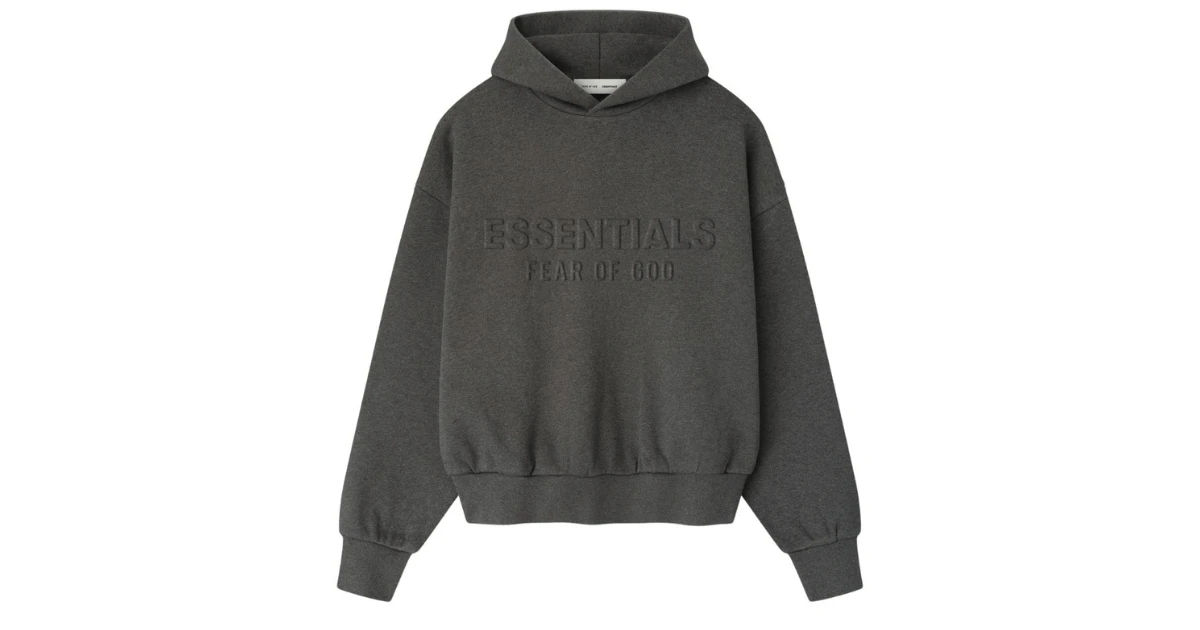
It typically provides extra room through the chest, shoulders, and sleeves while maintaining a structured appearance. This makes it different from a traditional fitted sweatshirt.If you prefer clothing that feels comfortable without looking untidy, the essentials hoodie can offer a useful middle ground. Its loose proportions create a contemporary silhouette, while the simple grey color makes it easy to combine with different clothing.
The Overall Fit
The first thing to understand is that an Essentials hoodie usually follows a relaxed or oversized-inspired shape. It is not designed to hug the body like a fitted athletic sweatshirt.
The body often has enough room for comfortable movement. The shoulders may appear slightly dropped, creating a casual appearance. This design is intentional and contributes to the modern streetwear look.
For someone who normally wears medium, choosing the same size may provide a relaxed appearance. However, people who want a more oversized look may consider going up one size.
At the same time, sizing up is not always necessary. Because the original design already has a generous silhouette, choosing a larger size can make the sleeves and body considerably longer.
How the Shoulders Fit
Shoulder placement is one of the most noticeable features of an Essentials hoodie.
A traditional sweatshirt usually has a shoulder seam that sits close to the natural edge of the shoulder. A relaxed hoodie can place that seam farther down the arm.
This creates the dropped-shoulder effect commonly associated with contemporary streetwear.
The shoulder area should still feel comfortable. You should be able to move your arms naturally without the fabric pulling across your upper back.
If the shoulders look slightly broad but the sleeves and body remain proportional, that is generally part of the intended design rather than a sign that the garment is too large.
What a Good Shoulder Fit Looks Like
A good fit should allow unrestricted movement. The shoulder should not feel tight when you raise your arms.
The fabric can extend beyond your natural shoulder line, particularly if you prefer a relaxed appearance.
However, there is a difference between an intentional dropped shoulder and a hoodie that is simply too large. If the sleeve opening extends far beyond your hands and the body looks excessively long, you may need a smaller size.
How the Chest and Body Fit
The chest area of a grey Essentials hoodie is generally roomy.
This extra space allows the garment to sit away from the body rather than creating a close-fitting shape. It also makes layering easier during cooler weather.
For example, you can comfortably wear a T-shirt underneath without making the hoodie feel restrictive.
The body should fall naturally around your torso. It should not cling to your stomach or chest, but it also should not look so wide that the garment loses its shape.
A relaxed body is particularly useful for casual outfits because it creates an effortless appearance.
Does It Fit Oversized?
Many people describe the Essentials hoodie as oversized, but the exact appearance depends on the wearer and chosen size.
If you select your normal size, the result may look relaxed and slightly oversized. Going one size larger can create a much more pronounced oversized silhouette.
Your height and body proportions also matter. A taller person may find the same size looks relatively balanced, while a shorter person may experience more noticeable sleeve and body length.
This is why simply choosing a larger size based on the word "oversized" is not always the best approach.
Sleeve Length and Cuffs
Sleeve length is another important part of the overall fit.
A relaxed hoodie normally has sleeves that extend farther down the arms than a fitted sweatshirt. The cuffs help prevent the sleeves from falling over your hands completely.
Ideally, the cuff should sit comfortably around your wrist. It can rest slightly lower when your arms are relaxed, but excessive length can become inconvenient.
If you like a baggier streetwear appearance, slightly longer sleeves may be desirable.
For a cleaner everyday look, your regular size will usually provide a better balance between sleeve length and overall body proportions.
Hoodie Length
The length of the hoodie can significantly affect your outfit.
A well-fitting hoodie should provide enough coverage over the waist without appearing excessively long. The exact position depends on your height, torso length, and preferred styling.
When worn with jeans or straight-leg trousers, a moderate length can create a balanced silhouette.
With loose or wide-leg pants, a slightly longer hoodie can reinforce the relaxed streetwear aesthetic.
The goal is not necessarily to find the shortest or longest option. Instead, consider how the hoodie works with the rest of your clothing.
Choosing the Right Size
Choosing the right size depends on how you want your hoodie to look.
If you want a relaxed everyday fit, your usual size is often a sensible starting point. This can give you room through the chest and shoulders without making the garment excessively large.
If you want a more oversized appearance, you can consider sizing up.
However, sizing down may be appropriate for someone who prefers a closer silhouette. Keep in mind that reducing the size can also affect shoulder width, sleeve length, and body length.
Regular Fit Preference
For a balanced casual outfit, choose your standard size.
This approach usually preserves the relaxed character of the garment while preventing excessive fabric around the torso.
It is especially useful if you plan to wear the hoodie with regular-fit jeans, chinos, or straight-leg trousers.
Oversized Preference
If your goal is a strong streetwear look, going one size up may provide additional volume.
This can work particularly well with wide-leg trousers, cargo pants, or relaxed denim.
However, proportions are important. Oversized clothing generally looks better when the extra volume appears intentional throughout the outfit.
How Body Type Affects the Fit
The same hoodie can look different on different people.
Someone with broad shoulders may find the relaxed cut looks naturally proportional. Someone with a narrower frame may notice the oversized elements more strongly.
Height also plays a role.
Taller individuals may find the hoodie length and sleeves appear more balanced. Shorter individuals may prefer their normal size rather than sizing up, especially if they want to avoid excessive length.
Body proportions are more important than simply following a general rule about sizing.
How to Wear a Grey Essentials Hoodie
Grey is particularly versatile because it can work with both dark and light clothing.
For a simple outfit, pair the hoodie with black jeans and clean sneakers. This creates a low-effort appearance while allowing the hoodie to remain the central piece.
For a streetwear-inspired outfit, try relaxed cargo trousers and chunky sneakers.
You can also layer the hoodie beneath a lightweight jacket. Because the cut is generally roomy, make sure the outer layer provides enough space around the shoulders and arms.
With Jeans
Jeans are one of the easiest choices.
Straight-leg denim creates a balanced silhouette, while relaxed jeans produce a looser appearance.
Black, dark blue, washed blue, and even light denim can work well with grey.
If your hoodie is particularly oversized, avoid combining it with extremely tight jeans unless you deliberately want a strong contrast between the upper and lower parts of the outfit.
With Cargo Pants
Cargo pants can complement the relaxed shape of the hoodie.
The combination works especially well for casual streetwear because both pieces provide practical, comfortable proportions.
Neutral cargo colors such as black, olive, beige, and charcoal can pair naturally with grey.
Choose footwear according to the look you want. Sneakers provide a classic casual finish, while heavier footwear can create a more rugged appearance.
Seasonal Comfort and Layering
The fit of a hoodie also affects how useful it is for layering.
A relaxed Essentials hoodie can comfortably accommodate a lightweight T-shirt underneath.
During colder weather, you may want to add a jacket or coat over it. In that situation, choosing an excessively oversized hoodie can make the outer layer feel tight.
This is an important reason to consider how you normally dress before sizing up.
If you frequently layer your clothing, your regular size may be more practical.
Does the Grey Color Change the Appearance of the Fit?
Color does not physically change the cut, but it can influence how the garment appears.
Grey generally creates a softer visual effect than very dark colors. It can make the relaxed shape look casual and understated.
Lighter grey may visually emphasize the garment's volume, while darker grey can create a more streamlined appearance.
This makes grey a useful choice for people who want an understated streetwear wardrobe.
Common Fit Mistakes to Avoid
One common mistake is automatically buying a larger size because the style is described as oversized.
The original cut may already provide considerable room. Adding another size can result in sleeves that are too long or a body that extends too far below the waist.
Another mistake is judging the fit only by the chest.
A hoodie can feel comfortable around the chest while still having excessive sleeve or body length.
You should evaluate the entire garment.
Ignoring Shoulder Placement
If the shoulder seam sits lower than expected, do not immediately assume the hoodie is incorrectly sized.
Dropped shoulders are often part of the design.
Instead, check whether the overall proportions look intentional and whether you can move comfortably.
Choosing Based Only on Height
Height is useful, but it cannot determine the perfect size by itself.
Two people with the same height can have very different shoulder widths, chest measurements, and torso lengths.
Using measurements from a specific garment is generally more reliable than relying only on general size labels.
How to Check the Fit at Home
When trying on your hoodie, start by standing naturally in front of a mirror.
Check the shoulder line first.
Next, look at the chest and stomach area. There should be enough room for comfortable movement without excessive fabric gathering.
Then examine the sleeves. Raise your arms, bend your elbows, and move naturally.
Finally, check the hem. It should provide the amount of coverage you prefer without making your proportions look unbalanced.
The essentials hoodie should feel comfortable during movement, not just while standing still.
Is the Essentials Hoodie True to Size?
Whether it feels true to size depends on what you consider "true to size."
Someone accustomed to fitted clothing may find their usual size surprisingly loose.
Someone who normally wears relaxed streetwear may consider the same size perfectly normal.
Therefore, it is better to think about the garment's intended silhouette rather than expecting it to fit like a traditional sweatshirt.
If you prefer the brand's relaxed appearance, your standard size may be the best place to start.
Care and Maintaining the Fit
Proper care can help preserve the original shape.
Follow the care instructions provided with your particular garment. Avoid unnecessarily harsh washing or drying methods that may affect fabric structure.
Excessive heat can contribute to shrinkage in some materials.
Washing appropriately and allowing the hoodie to dry according to its care instructions can help maintain the fit for longer.
Storage also matters. Folding a hoodie neatly can help prevent unnecessary stretching around the shoulders.
Final Tips Before Buying
Before purchasing, think about your preferred silhouette.
Ask yourself whether you want a normal relaxed appearance or a noticeably oversized look.
Consider what trousers and jackets you already own. A hoodie that works with your existing wardrobe will be more useful than one chosen simply because it is trendy.
If possible, compare garment measurements rather than relying entirely on S, M, L, or XL labels.
Also consider whether you will wear a T-shirt underneath or layer the hoodie beneath outerwear.
These small details can make a significant difference in how the final outfit looks.
Conclusion
So, how does a grey Essentials hoodie fit? In general, it offers a relaxed, comfortable silhouette with room around the shoulders, chest, sleeves, and body. The design is intended to feel casual and contemporary rather than tightly fitted.
Your normal size will often provide the characteristic relaxed appearance. Going up a size can create a more dramatic oversized look, while sizing down may produce a closer silhouette. The right choice depends on your body proportions and personal style.
The most important thing is to judge the entire garment rather than focusing on one measurement. Shoulder placement, sleeve length, body length, and overall width should work together.
The essentials hoodie is also easy to style because grey works naturally with black, blue, beige, olive, and other neutral colors. Whether you pair it with jeans, cargos, sweatpants, or layered outerwear, its relaxed shape can form the foundation of a comfortable outfit.
Ultimately, the best fit is the one that gives you freedom of movement while matching the appearance you want. If you prefer understated streetwear, your regular size is usually a practical starting point. If you want additional volume, consider sizing up carefully and checking the resulting sleeve and body length.
By understanding these details before buying, you can choose a grey hoodie that looks intentional, feels comfortable, and remains useful across different seasons and outfits.