
Leather coats are valued for their durability, comfort, and timeless appearance. However, like other clothing, they can develop wrinkles when folded, stored incorrectly, or exposed to pressure for a long time. If you own a leather coat and want to restore its smooth appearance, understanding the right care methods is important. A Pelle Pelle Store can also be a useful reference for understanding how quality leather garments should be handled and maintained.
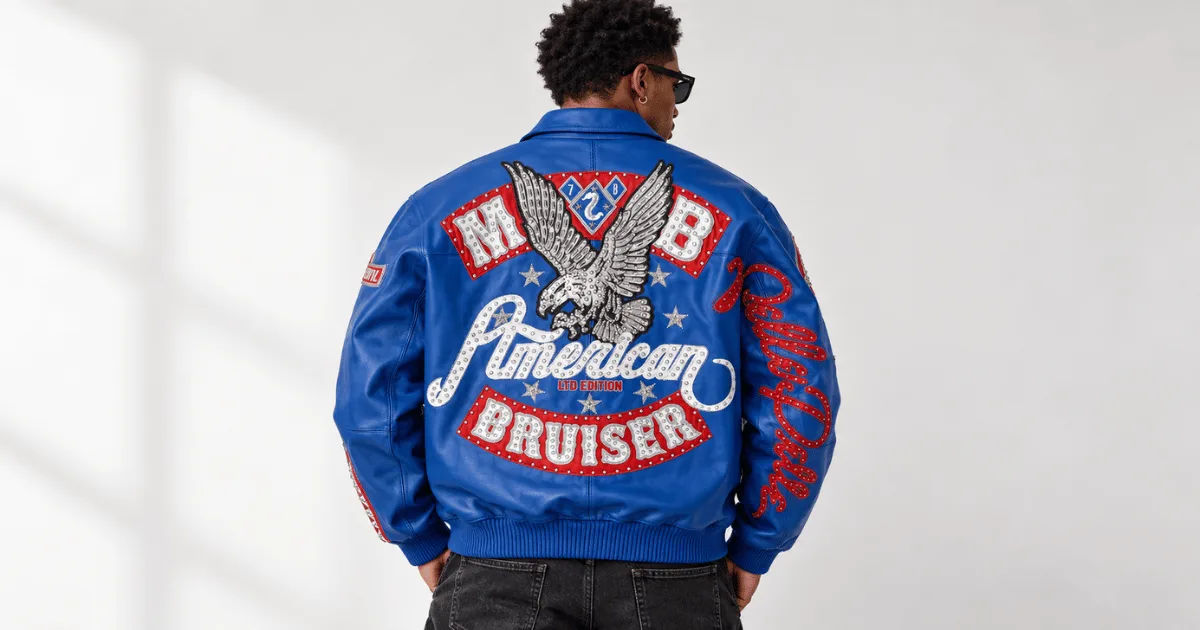
Unlike cotton or synthetic fabrics, leather is a natural material that can be permanently damaged by excessive heat, moisture, or aggressive ironing. Removing wrinkles therefore requires patience and gentle treatment. Fortunately, many minor and moderate wrinkles can be reduced at home without damaging the coat.
This comprehensive guide explains how to remove wrinkles from leather coats for men, which methods are safest, what mistakes to avoid, and how proper storage can prevent wrinkles from returning.
Why Do Leather Coats Develop Wrinkles?
Leather can wrinkle for several reasons. One of the most common causes is improper storage. When a leather coat is folded tightly inside a drawer, suitcase, or small closet, pressure can create visible creases.
Long-term compression is another common problem. If heavy clothing is placed on top of a leather coat, the material can develop wrinkles that become more difficult to remove over time.
Temperature and humidity can also affect leather. Extremely dry conditions may cause the material to lose some of its natural flexibility, while excessive moisture can weaken or distort certain types of leather.
Wearing a coat regularly can create natural creases around the elbows, shoulders, waist, and sleeves. Some of these wrinkles are part of the normal character of leather and may not need complete removal.
Can Wrinkles Be Removed From Leather?
Yes, many leather wrinkles can be reduced or removed, particularly when they are relatively new. The most important factor is using controlled treatment instead of trying to force the leather flat.
Leather responds differently from ordinary fabric. Applying direct high heat with an iron, for example, can cause discoloration, shrinkage, hardening, or even permanent marks.
For expensive or delicate coats, professional leather cleaning and restoration may be the safest option. A reputable Pelle Pelle Store can also provide useful product-care information for specific leather garments.
Method 1: Hang the Coat Properly
One of the simplest ways to reduce wrinkles is to let the leather relax naturally.
Use a wide, sturdy padded hanger that supports the shoulders. Avoid thin wire hangers because they can leave pressure marks or distort the shoulder area.
Hang the coat in a well-ventilated room. Make sure there is enough space around it so that the leather is not pressed against other garments.
Leave it hanging for several days. Minor wrinkles may gradually disappear as the leather returns to its natural shape.
This method requires almost no risk and should usually be the first approach you try.
Why Hanging Works
Leather has some natural flexibility. When it is no longer compressed, gravity can help straighten the material.
The process is slow, but that is an advantage. Instead of exposing the coat to potentially damaging heat, you allow the leather to relax gradually.
Method 2: Use Steam Carefully
Steam can help soften leather fibers and reduce wrinkles. However, this method must be used carefully.
Hang the coat in a bathroom while taking a warm shower. Keep the coat away from direct water and make sure it does not become soaked.
The warm, humid air can gently relax some wrinkles. Afterward, allow the coat to dry naturally while hanging on a suitable hanger.
Another option is using a garment steamer, but it should be kept at a safe distance from the leather. Avoid concentrating steam on one small area for an extended period.
Important Steam Precautions
Never saturate a leather coat with water or steam. Excessive moisture can affect the leather's texture, finish, and shape.
Always follow the manufacturer's care instructions before using steam. If the coat has a special finish, lining, printed design, or decorative details, professional treatment may be safer.
A Pelle Pelle Store may have specific care recommendations depending on the type and finish of a leather garment.
Method 3: Use a Leather Conditioner
A quality leather conditioner can help maintain flexibility and improve the appearance of certain types of leather.
Before applying any conditioner, check the coat's care label. Different leather types can react differently to cleaning and conditioning products.
Test the product on a small, hidden section first. If there is no unwanted discoloration or texture change, apply a small amount according to the product instructions.
After conditioning, gently smooth the leather with clean hands. Do not aggressively pull or stretch the material.
Conditioning will not necessarily remove deep wrinkles instantly, but it can help keep leather supple and reduce the appearance of minor creases.
Method 4: Apply Gentle Pressure
For small wrinkles, gentle manual pressure may help.
Lay the coat flat on a clean surface and carefully smooth the wrinkled area with your hands. Avoid pulling aggressively because stretching can change the shape of the leather.
You can place a clean, soft cloth over the area and use light pressure to encourage the leather to lie flat.
This method works best when combined with proper hanging and conditioning.
Can You Iron a Leather Coat?
Directly ironing leather is generally not recommended. Traditional ironing involves temperatures that may be too high for leather.
If the manufacturer's care instructions specifically allow a controlled ironing method, use extreme caution. A protective cloth should be placed between the iron and the garment, and the lowest appropriate temperature should be selected.
Never place a hot iron directly against leather.
Even a few seconds of excessive heat can permanently alter the surface. It may create shiny patches, discoloration, stiff areas, or burns.
If the wrinkles are severe and the coat is valuable, professional treatment is a much safer choice than experimenting with an iron.
What About Using a Hair Dryer?
A hair dryer can provide warmth, but it should not be used aggressively.
If you choose this method, use a low or cool setting and keep the dryer moving. Maintain a reasonable distance between the dryer and the coat.
The objective is gentle warmth rather than intense heat.
High temperatures can dry leather and potentially damage its finish. For this reason, hanging and controlled humidity are usually safer first choices.
How to Remove Deep Wrinkles
Deep wrinkles require more patience than surface creases.
Start by hanging the coat correctly for several days. If the wrinkles remain, consider using controlled humidity or a leather-safe conditioner if permitted by the care instructions.
Do not attempt to force a deep crease flat by pulling hard. This may stretch the leather and create a different type of damage.
If the wrinkle has been present for a long time, a professional leather specialist may be able to reshape the garment more safely.
This is especially important for premium coats, vintage garments, or pieces with unusual finishes.
Different Leather Types Need Different Care
Not every leather coat should be treated in exactly the same way.
Smooth Leather
Smooth leather is often relatively easy to maintain, but it can still be sensitive to heat and unsuitable cleaning products.
Gentle hanging, appropriate conditioning, and careful humidity exposure may help reduce wrinkles.
Suede
Suede requires additional caution. It has a different surface texture and should not automatically be treated with products designed for smooth leather.
Avoid excessive moisture and ordinary leather conditioners unless the product specifically states that it is suitable for suede.
Nubuck
Nubuck also has a textured surface that can be damaged by inappropriate products or excessive rubbing.
Always use products specifically designed for nubuck and follow the manufacturer's instructions.
Finished or Decorative Leather
Some coats include special finishes, prints, embroidery, patches, or other decorative elements.
These details may react differently to moisture and heat. In such cases, professional care is often the better choice.
Common Mistakes to Avoid
Trying to remove wrinkles too quickly can cause more damage than the original problem.
One major mistake is using a high-temperature iron directly on leather. This can leave permanent marks.
Another mistake is soaking the coat in water. Leather is not designed to be treated like washable fabric.
Using household cleaning chemicals is also risky. Detergents, bleach, alcohol-based products, and other chemicals may strip finishes or alter the color.
Do not stretch the coat aggressively. Leather can lose its original shape when excessive force is applied.
Avoid placing a leather coat in a clothes dryer. The combination of heat and movement can cause serious damage.
Do not leave the garment in direct sunlight for long periods while trying to dry or straighten it. Strong sunlight can contribute to fading and uneven drying.
How to Prevent Wrinkles in Leather Coats
Prevention is easier than restoration.
Always store a leather coat on a wide hanger that supports its shoulders. Avoid folding it unless necessary.
Give the coat enough space in your wardrobe. Crowding it between heavy garments can create pressure and creases.
Before storing the coat for an extended period, make sure it is clean and completely dry.
Do not place heavy objects on top of it. If you are traveling, use a suitable garment bag and avoid compressing the coat unnecessarily.
A Pelle Pelle Store can also be a useful source for learning about garment-specific storage and maintenance recommendations.
How Often Should Leather Be Conditioned?
There is no universal schedule for every leather coat. Conditioning depends on the type of leather, how frequently the garment is worn, environmental conditions, and the manufacturer's recommendations.
Over-conditioning can be just as problematic as neglecting the leather. Too much product may leave the surface greasy or alter its appearance.
Use only a leather conditioner appropriate for your particular material. Always test it on an inconspicuous area first.
For expensive garments, following the manufacturer's recommendations is preferable to relying on a general routine.
When Should You Use Professional Leather Care?
Professional care is worth considering when wrinkles are deep, widespread, or resistant to gentle home methods.
It is also a good option for vintage leather, expensive designer coats, suede, unusual finishes, and garments with extensive decorative details.
A professional can assess the leather before selecting a cleaning, conditioning, or reshaping process.
If you are uncertain about the material or worried about damaging the coat, professional treatment can prevent an inexpensive wrinkle problem from becoming an expensive repair.
A Pelle Pelle Store may also be helpful when you need product-specific information about the construction and care of a particular coat.
Frequently Asked Questions
Can I remove wrinkles from a leather coat without heat?
Yes. Hanging the coat properly, giving it enough space, and allowing the leather to relax naturally can reduce minor wrinkles. Gentle manual smoothing can also help. This approach is slower but carries less risk than applying direct heat.
Does steam permanently remove leather wrinkles?
Steam can help relax leather and reduce wrinkles, but it does not guarantee permanent removal. How well it works depends on the leather type, the depth of the wrinkle, and how long the crease has existed. Excessive steam should be avoided.
Is it safe to put a leather coat in the dryer?
No. Household clothes dryers generally expose leather to excessive heat and mechanical movement. This can cause shrinkage, stiffness, cracking, discoloration, or distortion. Leather coats should normally be dried naturally according to their care instructions.
Can leather conditioner remove deep wrinkles?
Conditioner can help maintain flexibility and may improve the appearance of minor creases, but it is not a guaranteed solution for deep wrinkles. Deep or permanent creasing may require professional reshaping.
How should I store a leather coat to prevent wrinkles?
Use a broad, sturdy hanger and give the coat plenty of room. Avoid folding it under heavy pressure or storing it in an overcrowded closet. Keep it away from excessive humidity, direct sunlight, and heat sources.
Conclusion
Removing wrinkles from a leather coat requires a different approach from removing wrinkles from ordinary clothing. Leather is a natural material, so excessive heat, moisture, and pressure can cause permanent damage.
The safest starting point is usually simple: place the coat on a suitable wide hanger and allow it to relax naturally. Minor wrinkles may disappear over time without any additional treatment.
For more noticeable creases, controlled humidity or a leather-safe conditioner may help, provided the manufacturer's care instructions allow these methods. Always test products on an inconspicuous area before treating the entire garment.
Direct ironing, high heat, soaking, harsh chemicals, and aggressive stretching should generally be avoided. These shortcuts may appear effective at first but can permanently damage the leather.
Deep or stubborn wrinkles deserve extra care. Instead of taking unnecessary risks, consider consulting a professional leather-care specialist, particularly when the garment is expensive, vintage, suede, or has a specialized finish.
With proper storage and regular care, a leather coat can maintain its shape and appearance for many years. Whether you purchased your coat from a Pelle Pelle Store or another retailer, the key principles remain the same: handle leather gently, follow its specific care instructions, and give the material time to recover naturally.