Picture to Text technology is changing the way we interact with information in the digital world. From classrooms to businesses, Picture to Text tools help people turn images into editable and searchable content in seconds. In a world filled with screenshots, scanned documents, and photos, Picture to Text has become more than a convenience. It is now a necessity.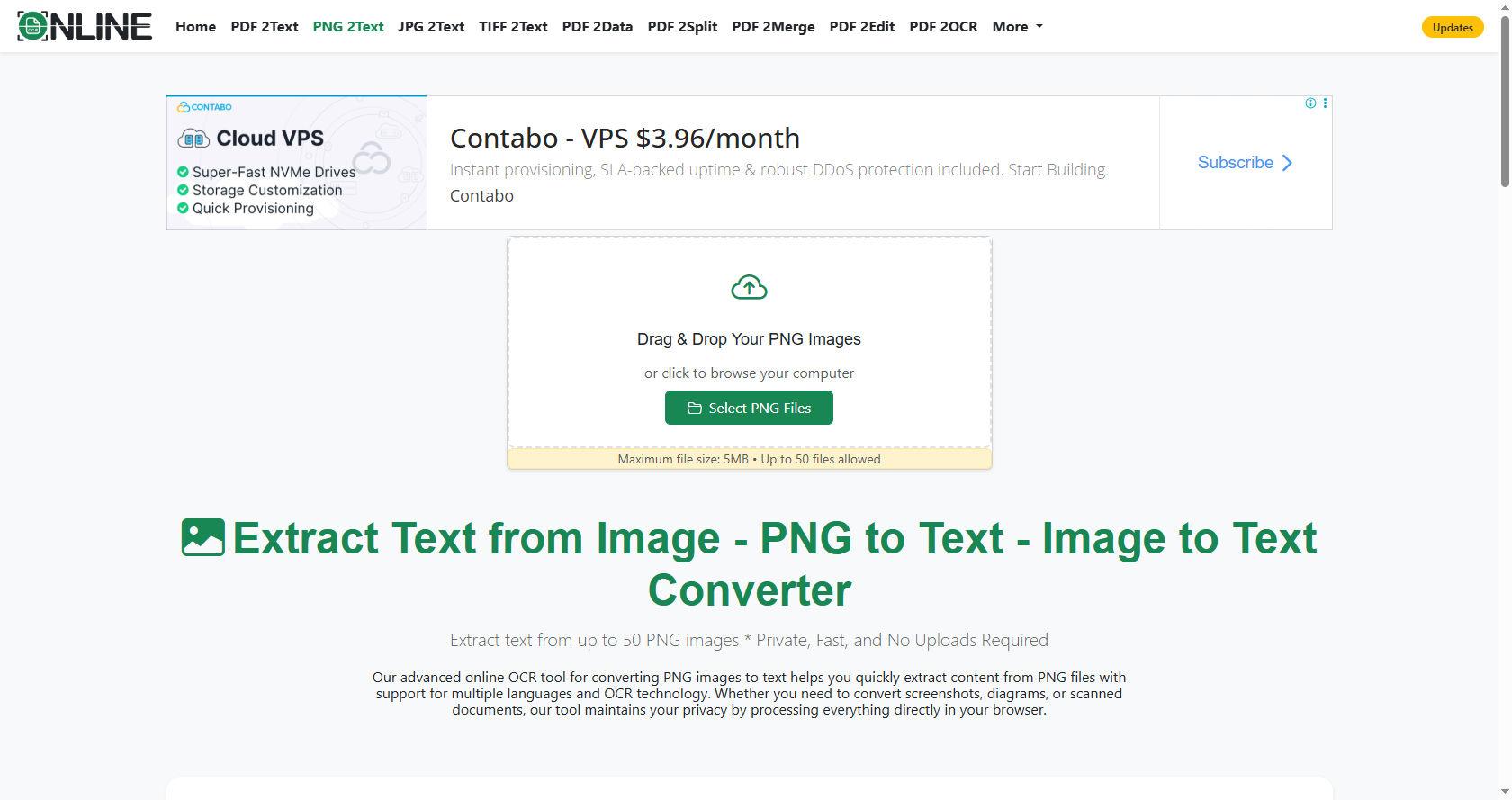
Every day, millions of images are shared online. These images often contain valuable information. However, without Picture to Text solutions, that information remains locked inside the image.
When combined with multi-language support, Picture to Text becomes even more powerful. It allows users from different countries and cultures to access, understand, and reuse information without barriers.
The need for multilingual communication is growing. Businesses operate globally. Students study materials from international sources. Travelers navigate foreign environments. In all these situations, Picture to Text tools that support multiple languages create smooth and fast communication.
This comprehensive guide explains why Picture to Text multi language solutions matter, how they work, where they are used, and why they are shaping the future of communication.
Understanding Picture to Text Technology
Picture to Text refers to the process of converting written content inside an image into editable digital text. This process is usually powered by Optical Character Recognition, also known as OCR. OCR systems scan the shapes of letters in an image and translate them into machine-readable characters.
When you take a photo of a printed page and use Picture to Text software, the tool analyzes patterns, lines, and shapes. It then recognizes letters, numbers, and symbols. Finally, it converts them into digital text that you can copy, edit, or translate.
In the past, this process was slow and inaccurate. Early OCR systems struggled with unclear images, different fonts, and complex layouts. Today, modern Picture to Text systems use artificial intelligence and machine learning. These technologies improve accuracy and allow the software to recognize handwriting, multiple fonts, and even low-quality images.
The addition of multi-language capability makes Picture to Text even more advanced. Instead of recognizing only one language, modern systems can detect and convert text in dozens or even hundreds of languages. This feature is especially important in our connected global society.
The Importance of Multi Language Support
Language diversity is a reality of our world. Thousands of languages are spoken across continents. While English is widely used, it is not the only language people rely on. Multi-language Picture to Text tools ensure that information is not limited to one linguistic group.
Imagine receiving a scanned document in Spanish, French, Arabic, or Chinese. Without the right tools, you would need someone fluent in that language to type it manually. With multi-language Picture to Text software, the image can be converted instantly. The extracted text can then be translated or edited as needed.
This process saves time and reduces errors. It also promotes equality. People who speak less common languages can access digital tools without feeling excluded. Multi-language Picture to Text solutions help bridge communication gaps between countries and cultures.
In education, students often study foreign language materials. Instead of retyping long passages, they can use Picture to Text to quickly extract content. This makes studying more efficient and less stressful.
How Picture to Text Works in Multiple Languages
The core of Picture to Text technology lies in pattern recognition. The software scans the image pixel by pixel. It identifies shapes that resemble letters and numbers. Then it matches those shapes to known characters stored in its database.
For multi-language support, the system must be trained on many alphabets and writing systems. This includes Latin characters, Cyrillic scripts, Arabic letters, Asian characters, and more. Advanced Picture to Text systems use neural networks that learn from millions of examples.
When you upload an image, the software may automatically detect the language. Some tools allow users to select the language manually. Once selected, the Picture to Text engine applies the correct recognition model for that language.
For example, recognizing Chinese characters requires a different approach compared to recognizing English letters. Multi-language Picture to Text systems are designed to handle these differences smoothly.
The result is accurate text extraction across various languages and scripts. This capability supports global communication in a simple and efficient way.
Benefits for Students and Education
Education is one of the biggest beneficiaries of Picture to Text multi language tools. Students often deal with printed notes, scanned textbooks, and photos of whiteboards. Converting these images into digital text makes studying easier.
Picture to Text allows students to search within their notes. Instead of flipping through pages, they can find keywords instantly. This saves time during exam preparation.
Multi-language support adds even more value. Students learning foreign languages can scan passages and translate them quickly. They can also extract text from international research papers.
For students with learning disabilities, Picture to Text tools can improve accessibility. Extracted text can be read aloud using text-to-speech software. This supports different learning styles and makes education more inclusive.
Teachers also benefit from Picture to Text technology. They can digitize printed materials and share them online. Multi-language features allow them to create diverse and inclusive lesson plans.
Business and Professional Applications
In the business world, time is money. Companies handle contracts, invoices, receipts, and reports daily. Many of these documents are still in paper or image format. Picture to Text technology helps convert them into editable digital files.
Multi-language Picture to Text tools are especially useful for international businesses. Companies working with partners in different countries often receive documents in various languages. Instead of hiring someone to retype each document, they can use automated solutions.
This reduces labor costs and improves efficiency. It also minimizes human error. A well-trained Picture to Text system can process large volumes of documents quickly and accurately.
Customer service teams also use Picture to Text when handling screenshots or image-based complaints. By converting images into text, teams can respond faster and keep digital records.
Legal professionals benefit as well. They can digitize old case files and search through them electronically. Multi-language Picture to Text ensures that documents in different languages are equally accessible.
Travel and Everyday Use
Picture to Text multi language tools are extremely helpful for travelers. When visiting a foreign country, people often face language barriers. Signs, menus, and instructions may be written in unfamiliar scripts.
With Picture to Text apps on smartphones, travelers can take a photo of a sign and extract the text instantly. They can then translate it into their native language. This makes travel safer and more convenient.
Even in daily life, Picture to Text is useful. People receive event invitations, handwritten notes, or printed schedules. Instead of typing everything manually, they can convert images into digital text in seconds.
Multi-language features ensure that users are not limited by geography. Whether reading a menu in Italy or a notice in Japan, Picture to Text technology simplifies communication.
Enhancing Accessibility and Inclusion
Accessibility is a key reason why Picture to Text multi language tools matter. Many people face challenges when accessing printed information. This includes individuals with visual impairments or reading difficulties.
By converting images into digital text, Picture to Text allows integration with assistive technologies. Screen readers can read the text aloud. Font sizes can be adjusted. Text can be translated into simpler language.
Multi-language support ensures that accessibility is not limited to one region. People around the world can benefit equally. This promotes digital inclusion and equal access to information.
Government agencies and public institutions can use Picture to Text solutions to digitize public records. Multi-language capabilities ensure that citizens from different backgrounds can understand official information.
In this way, Picture to Text contributes to a more inclusive and connected society.
The Role of Artificial Intelligence
Artificial intelligence plays a major role in improving Picture to Text systems. Machine learning algorithms train on large datasets of text images. Over time, they learn to recognize patterns more accurately.
AI allows Picture to Text tools to handle complex layouts, curved text, and handwritten notes. It also improves language detection. The system can automatically identify whether the text is in English, Spanish, Hindi, or another language.
Deep learning models help reduce recognition errors. They analyze context, not just individual letters. This means the software can guess unclear words based on surrounding text.
As AI continues to evolve, Picture to Text technology will become even more accurate and efficient. Multi-language recognition will expand to cover rare and regional languages.
Challenges and Limitations
Despite its advantages, Picture to Text technology still faces challenges. Poor image quality can reduce accuracy. Blurry photos, shadows, and unusual fonts may cause errors.
Multi-language recognition can also be complex. Some languages have similar characters, which may confuse the system. Handwriting recognition remains difficult in many cases.
However, developers are constantly improving algorithms. With better cameras and smarter AI, Picture to Text systems are becoming more reliable.
Users can also improve results by taking clear photos and selecting the correct language settings. Simple steps like proper lighting and straight alignment make a big difference.
Understanding these limitations helps users set realistic expectations while benefiting from the technology.
Security and Privacy Considerations
When using Picture to Text tools, especially online platforms, privacy is important. Images may contain sensitive information such as personal data or financial details.
Reliable Picture to Text services use encryption to protect uploaded files. Some tools also delete images automatically after processing. Users should always review privacy policies before uploading confidential documents.
Businesses handling sensitive information often use secure, offline Picture to Text software. This ensures that data stays within the organization.
Multi-language support does not only enhance communication. It must also maintain data security across regions with different privacy laws.
Being aware of security practices ensures safe and responsible use of Picture to Text technology.
The Future of Picture to Text Multi Language Solutions
The future of Picture to Text technology looks promising. As global communication increases, the demand for multilingual tools will grow.
Future systems may offer real-time recognition through smart glasses or augmented reality devices. Imagine pointing your device at a foreign sign and instantly seeing translated text overlaying the image.
Improved AI models will enhance handwriting recognition. They may also recognize context, tone, and formatting more accurately.
Voice integration could combine speech recognition with Picture to Text. Users might convert handwritten notes into text and then into spoken audio in another language.
Educational platforms, healthcare systems, and government agencies will continue adopting Picture to Text solutions. Multi-language capabilities will ensure equal access to information worldwide.
Innovation will focus on speed, accuracy, and accessibility. These improvements will make Picture to Text an even more essential part of daily life.
Why Picture to Text Multi Language Is Essential
In a globalized world, information moves quickly across borders. People communicate through images, screenshots, and scanned documents every day.
Picture to Text breaks the barrier between visual content and editable text. Multi-language support removes the barrier between different linguistic communities.
Together, they create a powerful combination. Students learn faster. Businesses operate more efficiently. Travelers navigate more confidently. People with disabilities access information more easily.
The importance of Picture to Text lies not only in convenience but also in empowerment. It gives people control over information that was once locked inside images.
By supporting multiple languages, Picture to Text promotes cultural exchange and global understanding. It connects people across continents and supports equal opportunities.
Conclusion
Picture to Text multi language technology represents a major step forward in digital communication. It transforms static images into dynamic, usable text. This transformation saves time, reduces effort, and increases productivity.
Multi-language capabilities expand these benefits to a global scale. They ensure that no matter what language the text is written in, it can be accessed and understood.
From classrooms to boardrooms, from travel adventures to government services, Picture to Text plays a crucial role. It improves accessibility, supports inclusion, and enhances global collaboration.
Although challenges such as image quality and handwriting recognition still exist, continuous advancements in artificial intelligence are addressing these issues. The future promises even smarter and faster solutions.
As we move deeper into the digital age, the ability to extract and understand information quickly becomes more important. Picture to Text multi language tools are not just optional features. They are essential tools for modern life.
By embracing this technology responsibly and securely, individuals and organizations can unlock new opportunities. They can communicate beyond borders, preserve knowledge, and build stronger connections worldwide.
In simple terms, Picture to Text multi language solutions turn images into opportunities. They make information free, flexible, and universal. That is why they matter today, and that is why they will matter even more tomorrow.