
When it comes to any electrical project, whether it’s a small home setup or a large industrial installation, having the right materials is crucial. Choosing the right wiring components ensures safety, efficiency, and durability.
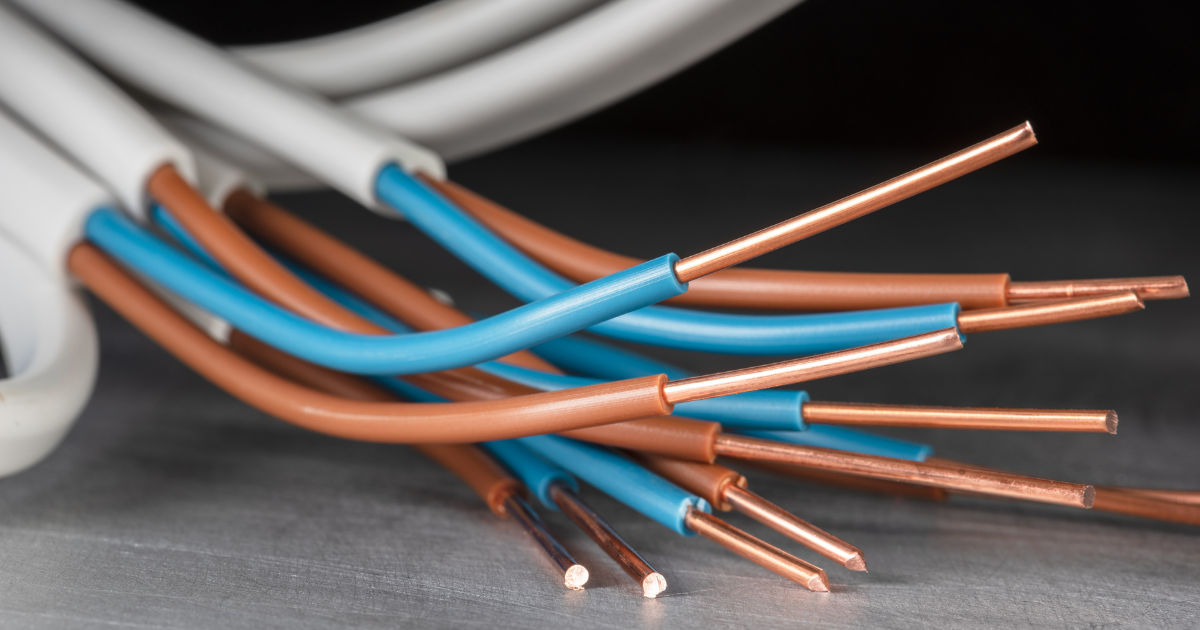 In this guide, we will break down the complete wiring materials list in detail, making it easy to understand. If you are looking for reliable suppliers, an AGE Cables Supplier is often the best choice for high-quality materials.
Electrical wiring is not just about connecting wires to devices; it involves understanding the types of cables, protective equipment, and accessories needed for a successful and safe installation. This guide is intended to help students, electricians, and even homeowners grasp the essentials of wiring materials.
Understanding Electrical Wiring
Before diving into the materials, it’s important to understand the basics of electrical wiring. Electrical wiring is a system that allows electricity to flow safely from a source to various devices like lights, fans, and appliances. Proper wiring prevents hazards such as short circuits, electrocution, and fire.
The core elements of electrical wiring include:
-
Conductors: These are materials like copper or aluminum that carry electricity.
-
Insulation: Protects the conductor and prevents accidental contact.
-
Protective devices: Includes fuses, circuit breakers, and switches.
An AGE Cables Supplier can provide a wide range of high-quality conductors and insulated wires suitable for various projects.
Types of Cables and Wires
Electrical cables come in different types based on their usage. Selecting the correct type of wire is essential for the safety and efficiency of the electrical system.
1. Single-Core Wires
Single-core wires consist of a single conductor covered with insulation. They are ideal for fixed wiring in residential and industrial buildings.
-
Advantages: Easy to terminate and connect.
-
Applications: Internal house wiring, control panels, and lighting circuits.
2. Multi-Core Wires
Multi-core wires contain two or more conductors inside one cable. Each conductor is insulated separately.
-
Advantages: Saves space and reduces installation time.
-
Applications: Used in power circuits, communication systems, and industrial machinery.
3. Armoured Cables
Armoured cables have a protective metal layer around the conductors. They are highly durable and resistant to mechanical damage.
-
Advantages: High safety, suitable for underground and outdoor installations.
-
Applications: Industrial wiring, power transmission, and heavy-duty equipment.
4. Flexible Cables
Flexible cables are designed to bend easily without damage. They are commonly used in appliances and portable devices.
-
Advantages: Easy to move and install.
-
Applications: Fans, lamps, extension cords, and home appliances.
An AGE Cables Supplier usually stocks all these cable types to meet diverse electrical needs.
Essential Wiring Materials
Now, let's explore the complete list of wiring materials needed for a typical electrical project.
1. Electrical Wires
Wires are the backbone of any electrical system. Depending on the project, you may need:
-
Copper wires: Excellent conductivity and durability.
-
Aluminum wires: Lightweight and cost-effective, but less conductive than copper.
-
Insulated wires: To prevent short circuits and electrical shocks.
2. Conduits
Conduits are protective tubes that house electrical wires. They prevent physical damage and provide neat installations.
-
PVC Conduits: Lightweight, corrosion-resistant, and ideal for indoor use.
-
Metal Conduits: Strong and durable, suitable for industrial setups.
3. Switches and Sockets
Switches control the flow of electricity, while sockets provide outlets for devices. Ensure you choose high-quality brands to avoid electrical hazards.
-
Single-pole switches: For basic on/off control.
-
Double-pole switches: Used for high-voltage appliances.
-
Socket outlets: Standard, universal, and weatherproof types are available.
4. Circuit Breakers and Fuses
Circuit breakers and fuses protect electrical systems from overload and short circuits.
-
Miniature Circuit Breaker (MCB): Provides automatic protection against overcurrent.
-
Residual Current Circuit Breaker (RCCB): Detects leakage currents and prevents electrocution.
-
Fuses: Simple protection devices for small circuits.
5. Junction Boxes
Junction boxes are containers that hold wire connections safely. They provide easy access for maintenance.
-
Plastic boxes: Lightweight and suitable for indoor installations.
-
Metal boxes: Durable, used in industrial applications.
6. Cable Trays and Clips
Cable trays help organize multiple cables and prevent tangling. Clips secure wires to walls or ceilings, maintaining a clean layout.
7. Connectors and Terminals
Connectors and terminals join wires together or to devices. Types include:
-
Screw terminals: Common in household wiring.
-
Crimp terminals: Used in industrial and automotive wiring.
-
Wire nuts: Easy to install and secure for multiple wires.
8. Earthing Materials
Proper earthing is vital for safety. Materials include:
-
Earthing rods: Conduct electricity safely to the ground.
-
Earthing wires: Connect equipment to rods.
-
Clamps and terminals: Ensure solid connections.
An AGE Cables Supplier can provide all necessary wires, cables, and earthing accessories in one place, making the process efficient and reliable.
Tools Required for Wiring Installation
A wiring project is incomplete without the right tools. Some essential tools include:
-
Wire strippers: Remove insulation without damaging conductors.
-
Pliers: Used for gripping, bending, and cutting wires.
-
Screwdrivers: For connecting switches, sockets, and terminals.
-
Multimeter: Measures voltage, current, and resistance.
-
Drill machine: For making holes for conduits and boxes.
-
Measuring tape: Ensures accurate installation of materials.
Safety Equipment
Safety is critical when working with electricity. Essential protective gear includes:
-
Insulated gloves: Protect against electric shocks.
-
Safety goggles: Prevent injuries from sparks or debris.
-
Rubber mats: Provide insulation while working.
-
Fire extinguisher: Always keep a safety measure nearby.
Wiring Materials for Special Installations
Some projects require specialized materials:
1. Industrial Wiring
Industrial setups often need heavy-duty cables, armoured wires, and large capacity circuit breakers. Flexible conduits and cable trays are also essential for machinery wiring.
2. Outdoor Wiring
For outdoor installations, weatherproof cables, sockets, and switches are necessary. Armoured cables and metallic conduits offer extra protection from environmental conditions.
3. Renewable Energy Systems
Solar panels and wind turbines require specialized wires and connectors capable of handling high current and outdoor exposure. An AGE Cables Supplier often stocks renewable energy-compatible wiring solutions.
How to Choose a Reliable Supplier
Choosing the right supplier is as important as choosing the right materials. A good supplier ensures:
-
Quality materials: High-grade copper or aluminium wires.
-
Compliance: Materials that meet local electrical standards.
-
Variety: Availability of different cable types and accessories.
-
Support: Technical assistance and warranty options.
An AGE Cables Supplier is known for providing reliable and certified wiring materials, making them a preferred choice for electricians and contractors.
Tips for Planning Your Wiring Project
Proper planning can save time, money, and prevent hazards. Here are some tips:
-
Estimate your requirements: Calculate the length of wires, number of sockets, and switches needed.
-
Create a wiring diagram: Helps visualize the complete system.
-
Select high-quality materials: Reduces future maintenance and risk of failure.
-
Follow safety codes: Adhering to electrical regulations ensures protection.
-
Hire a professional if necessary: Complex systems often require certified electricians.
Conclusion
Understanding a complete wiring materials list is essential for safe and efficient electrical installations. From cables and conduits to switches, circuit breakers, and earthing materials, every component plays a crucial role. By choosing high-quality materials and reliable suppliers, such as an AGE Cables Supplier, you ensure the durability and safety of your wiring system.
Proper planning, knowledge of cable types, safety equipment, and the right tools can make any wiring project successful. Whether you are a student, DIY enthusiast, or professional electrician, this guide provides a comprehensive overview of the materials needed for electrical installations.
Investing in quality materials today prevents hazards tomorrow, ensures compliance with safety standards, and guarantees long-term efficiency.
By following this guide, you now have a complete understanding of the wiring materials required for any project and the importance of sourcing them from a trusted AGE Cables Supplier.