
Pigmentation is one of the most common skin concerns that people face today. It can appear as dark spots, uneven skin tone, melasma, or post-inflammatory marks. While it is mostly harmless, it can affect a person’s confidence and self-esteem.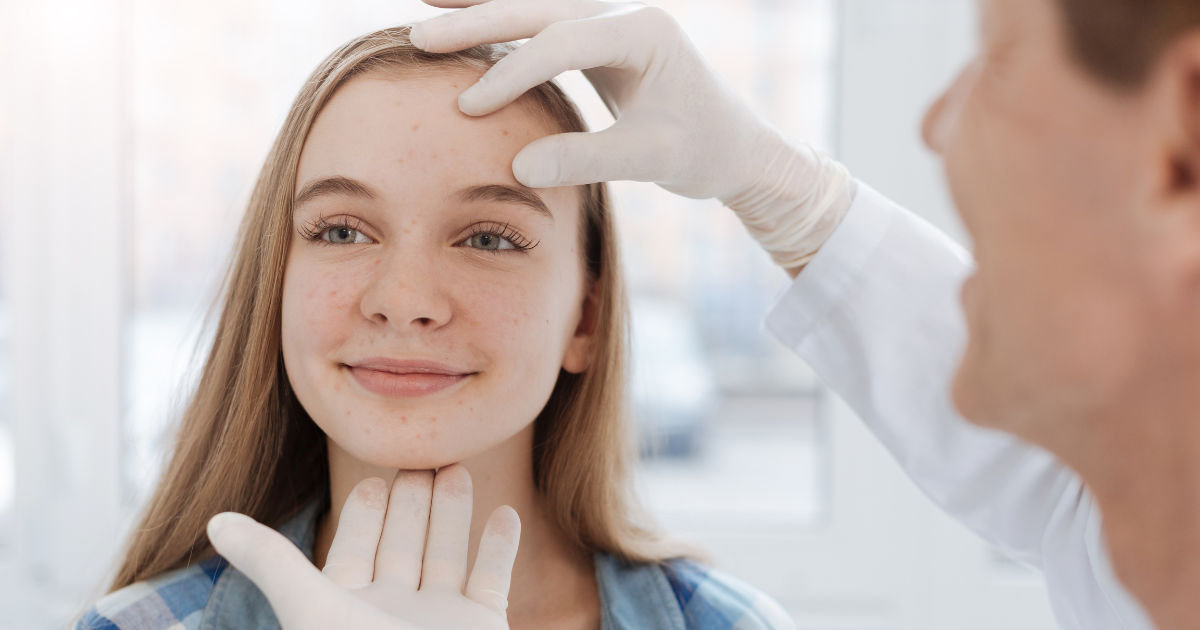
Many individuals search for solutions online, but proper guidance from a professional is crucial. According to experts, consulting the Best Facial Aesthetics Dermatologist In Karachi is the first step to achieving a healthy and glowing complexion.
Skin pigmentation occurs due to an overproduction of melanin, the natural pigment responsible for skin color. Factors such as sun exposure, hormonal changes, acne scars, and genetics contribute to pigmentation.
A dermatologist can help identify the root cause and suggest treatments that are both safe and effective.
Common Types of Pigmentation
Pigmentation is not a one-size-fits-all issue. Different types require different approaches:
Melasma
Melasma is a common pigmentation condition, particularly among women. It often appears on the cheeks, forehead, and upper lip. Sun exposure and hormonal changes are primary triggers. Consulting the Best Facial Aesthetics Dermatologist In Karachi can help in identifying appropriate treatments like chemical peels or laser therapy.
Sunspots
Sunspots, also called solar lentigines, develop due to prolonged UV exposure. They usually appear as small, darkened areas on the face, hands, or other exposed parts of the body. Regular use of sunscreen and topical treatments can prevent and reduce sunspots.
Post-Inflammatory Hyperpigmentation (PIH)
PIH occurs after skin inflammation, such as acne, eczema, or injuries. It leaves dark spots where the skin was affected. Dermatologists often recommend a combination of topical creams and gentle chemical peels to improve the skin tone.
Freckles
Freckles are small, brownish spots that often run in families. While they are generally harmless, some people wish to reduce their visibility for cosmetic reasons. Safe laser treatments guided by a qualified professional can help fade freckles over time.
Causes of Skin Pigmentation
Understanding the causes of pigmentation is crucial in preventing and treating it effectively. The main causes include:
Sun Exposure
Ultraviolet (UV) rays from the sun trigger melanin production, which can lead to dark spots. Even short-term exposure without protection can accumulate over time, making skin tone uneven.
Hormonal Changes
Hormonal imbalances, especially during pregnancy or while taking certain medications, can lead to pigmentation. Melasma is often hormone-related and requires specialized treatment from the Best Facial Aesthetics Dermatologist In Karachi.
Skin Injuries
Acne, burns, cuts, or other skin injuries can cause post-inflammatory pigmentation. Proper skincare and dermatologist-supervised treatments are key to preventing permanent marks.
Genetics
Genetics also play a role in pigmentation. Some individuals are naturally prone to darker patches or freckles due to inherited traits.
Aging
As skin ages, melanin distribution can become uneven. Age spots often appear on the face, hands, and other areas exposed to sunlight over the years.
Preventive Measures for Pigmentation
Prevention is always better than cure. Here are practical tips dermatologists recommend:
Consistent Use of Sunscreen
One of the most effective ways to prevent pigmentation is by using broad-spectrum sunscreen daily. A minimum SPF of 30 is advised, and reapplication every 2-3 hours is essential when outdoors.
Protective Clothing
Wearing hats, sunglasses, and long sleeves can protect skin from harmful UV rays. This simple step significantly reduces the risk of developing pigmentation.
Avoid Picking at Skin
Picking acne, scabs, or blemishes can worsen pigmentation. Gentle skincare and dermatological guidance prevent post-inflammatory spots.
Use Gentle Skincare Products
Harsh scrubs or chemicals can irritate the skin and trigger pigmentation. Dermatologists recommend mild cleansers, moisturizers, and products containing ingredients like niacinamide or vitamin C.
Dermatologist-Recommended Treatments
Professional treatments are often the most effective solution for persistent pigmentation. Some of the options include:
Topical Treatments
Topical creams containing hydroquinone, retinoids, or azelaic acid are commonly prescribed to reduce pigmentation. They work by slowing down melanin production and promoting skin regeneration.
Chemical Peels
Chemical peels use safe acids to exfoliate the upper layer of the skin, reducing dark spots and improving texture. Dermatologists often customize peel strength based on skin type and severity of pigmentation.
Laser Therapy
Laser treatments target pigmentation directly and help break down excess melanin. This method requires professional supervision to avoid skin damage. A qualified professional like the Best Facial Aesthetics Dermatologist In Karachi ensures safe and effective results.
Microdermabrasion
Microdermabrasion involves gently exfoliating the skin to remove dead cells and promote new growth. It helps in evening out skin tone and reducing mild pigmentation.
Combination Therapy
Often, a combination of topical treatments, peels, and lasers provides the best results. Dermatologists create personalized plans to address multiple causes simultaneously.
Skincare Ingredients to Combat Pigmentation
Certain ingredients have proven efficacy in reducing pigmentation. Dermatologists frequently recommend products with:
-
Vitamin C: Brightens skin and inhibits melanin production.
-
Niacinamide: Reduces dark spots and improves skin texture.
-
Retinoids: Promote cell turnover and fade hyperpigmentation.
-
Kojic Acid: Lightens dark patches by blocking melanin formation.
-
Alpha Hydroxy Acids (AHAs): Gently exfoliate and refresh the skin surface.
Using these ingredients under professional guidance ensures safety and maximum benefit.
Lifestyle Tips for Healthier Skin
Beyond treatments, lifestyle plays a vital role in managing pigmentation:
Healthy Diet
A diet rich in antioxidants, vitamins, and minerals supports skin health. Foods like berries, green leafy vegetables, nuts, and fish help maintain skin vitality and reduce oxidative stress, which can worsen pigmentation.
Adequate Hydration
Drinking sufficient water keeps the skin hydrated and supports the natural repair process. Hydrated skin is more resilient to pigmentation triggers.
Proper Sleep
Quality sleep aids skin regeneration. Lack of sleep can worsen pigmentation and reduce the effectiveness of skincare treatments.
Stress Management
Stress can exacerbate hormonal imbalances, indirectly affecting pigmentation. Meditation, yoga, or regular exercise helps maintain a healthy hormonal balance.
Common Myths About Pigmentation
There are many misconceptions about pigmentation. Understanding the truth is important:
-
Myth: Pigmentation only affects older people.
Fact: Pigmentation can affect anyone regardless of age. -
Myth: Tanning clears pigmentation.
Fact: Sun exposure worsens pigmentation. -
Myth: Over-the-counter creams can cure pigmentation overnight.
Fact: Professional guidance ensures safe, effective results; results take time. -
Myth: Natural remedies are always safe.
Fact: Some home remedies can irritate skin and worsen pigmentation. Consulting the Best Facial Aesthetics Dermatologist In Karachi is safer.
When to See a Dermatologist
Persistent or worsening pigmentation should be evaluated by a professional. Early consultation can prevent permanent dark spots and provide customized treatment plans. Indicators that you should see a dermatologist include:
-
Sudden dark patches appearing without reason
-
Pigmentation spreading rapidly
-
Uneven skin tone affecting self-esteem
-
Pigmentation not responding to home remedies
A skilled dermatologist can identify underlying causes and recommend appropriate treatments.
Choosing the Right Dermatologist
Finding the right dermatologist is crucial for effective pigmentation management. Consider these factors:
-
Expertise: Look for dermatologists with specialization in facial aesthetics and pigmentation.
-
Experience: Years of treating pigmentation conditions matter.
-
Treatment Options: Ensure the clinic offers a range of safe procedures, including lasers, chemical peels, and topical treatments.
-
Patient Reviews: Feedback from previous patients reflects treatment quality.
For anyone in Karachi, consulting the Best Facial Aesthetics Dermatologist In Karachi ensures professional care and reliable results.
Do’s and Don’ts for Managing Pigmentation
Do’s
-
Use sunscreen daily.
-
Follow dermatologist-recommended skincare routines.
-
Incorporate antioxidants in diet.
-
Stay hydrated and sleep well.
-
Protect skin from harsh chemicals or irritants.
Don’ts
-
Avoid excessive sun exposure.
-
Do not pick or scratch blemishes.
-
Avoid overuse of unverified skincare products.
-
Do not self-medicate with strong chemicals.
-
Avoid ignoring sudden pigmentation changes.
Holistic Approach to Pigmentation
Treating pigmentation effectively requires a combination of professional treatments, preventive measures, and lifestyle modifications. A holistic approach considers:
-
Skincare routine customization
-
Diet and nutrition
-
Sun protection
-
Stress management
-
Medical treatments for severe cases
Working with a dermatologist ensures that each factor is addressed properly.
Conclusion
Pigmentation is a widespread skin concern that can impact confidence and overall appearance. While it may arise due to sun exposure, hormones, genetics, or inflammation, effective management is possible. Preventive measures like sunscreen use, protective clothing, and gentle skincare help maintain healthy skin. Professional guidance from the Best Facial Aesthetics Dermatologist In Karachi ensures accurate diagnosis, safe treatment, and lasting results.
Treatments like topical creams, chemical peels, laser therapy, and combination approaches provide visible improvements when supervised by experts. Additionally, maintaining a healthy lifestyle, including proper diet, hydration, sleep, and stress management, supports skin health and prevents pigmentation recurrence.
For anyone struggling with uneven skin tone, dark spots, or melasma, seeking professional help is the most reliable solution. The journey to clear and radiant skin may take time, but with the right approach and expert guidance, achieving a smooth, even complexion is entirely possible.
Remember, every skin type is unique. Patience, consistency, and professional care are the keys to managing pigmentation effectively. Investing in proper treatments now can save you from long-term skin issues and boost your confidence for years to come.