
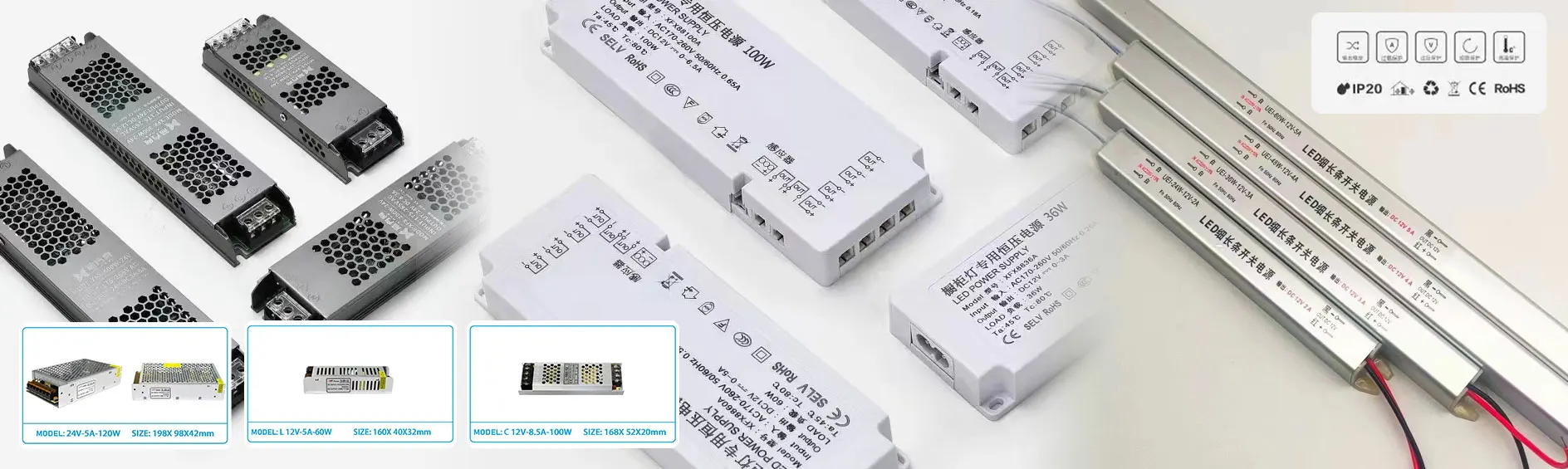
Industrial environments demand efficient, reliable, and durable lighting solutions. In recent years, LED lighting has emerged as the preferred choice for these settings due to its energy efficiency, longevity, and minimal maintenance requirements. As industries continue to evolve and prioritize sustainability, LED lighting has become a crucial component in reducing operational costs while maintaining high-quality illumination in workplaces. This article explores the advantages of LED lighting for industrial use, highlighting its key benefits and the factors to consider when implementing LED solutions in industrial spaces www.dekingled.com.
Energy Efficiency and Cost Savings
One of the primary reasons industrial facilities are switching to LED lighting is its remarkable energy efficiency. LED lights use significantly less energy compared to traditional lighting solutions like incandescent and fluorescent bulbs. While incandescent lights convert only about 5% of energy into visible light, LED lights can convert around 80% of energy into light, with the remaining 20% being lost as heat. This efficient use of energy leads to substantial reductions in energy consumption and, in turn, lower electricity bills.
For industrial facilities, where lighting is often on for long hours, the savings can be significant. A large warehouse or manufacturing plant, for example, can see a drastic reduction in energy costs by switching to LED lighting. Over time, these savings can offset the initial cost of installing LED systems. Additionally, the longer lifespan of LED lights means fewer replacements, which also reduces maintenance costs. As industries become more conscious of their environmental impact, LED lighting serves as a crucial tool in achieving sustainability goals.
Longer Lifespan and Durability
LED lights are known for their longevity, making them an ideal choice for industrial use. Traditional light bulbs, such as incandescent and fluorescent lights, have relatively short lifespans and need to be replaced frequently. In contrast, LEDs can last anywhere from 25,000 to 50,000 hours, which is up to 25 times longer than incandescent lights and five times longer than fluorescent lights. This extended lifespan means fewer replacements and reduced downtime, which is especially important in industrial settings where production needs to run smoothly.
Moreover, LED lights are highly durable. Unlike traditional bulbs, which can be sensitive to shock and vibration, LEDs are solid-state lighting devices, making them resistant to breakage. This durability is especially important in industrial environments, which often involve heavy machinery, vibrations, and harsh conditions. LEDs are also resistant to extreme temperatures, further enhancing their reliability and performance in challenging industrial settings.
Improved Lighting Quality and Safety
The quality of light in an industrial environment is critical for worker productivity and safety. Poor lighting can lead to accidents, reduce worker efficiency, and even cause eye strain or fatigue. LED lights provide high-quality, consistent lighting that improves visibility and reduces glare. The ability to control the color temperature of LEDs also allows industrial facilities to create the ideal lighting conditions for different tasks, whether that’s bright, daylight-like lighting for precision work or softer, warmer light for general illumination.
In addition to enhancing visibility, LED lighting improves safety in industrial settings. LED lights are instantly bright when turned on, unlike fluorescent bulbs that require a warm-up period. This instant lighting is crucial for emergency situations and areas that require immediate attention. Furthermore, LEDs produce light without emitting ultraviolet (UV) radiation, making them safer for workers who are exposed to lighting for extended periods.
Environmentally Friendly and Sustainable
LED lighting is not only energy-efficient, but it is also environmentally friendly. The manufacturing process of LEDs has a lower environmental impact compared to traditional lighting technologies, and LEDs contain no harmful chemicals such as mercury, which is commonly found in fluorescent bulbs. This makes LEDs a safer choice for industrial facilities when it comes to disposal and recycling.
Additionally, the energy savings generated by switching to LEDs help reduce the overall carbon footprint of an industrial operation. With industries facing increasing pressure to meet sustainability targets and reduce emissions, the adoption of LED lighting is a straightforward way to align with environmental goals. By reducing energy consumption and minimizing waste, industrial facilities can significantly lower their environmental impact.
Key Considerations When Implementing LED Lighting in Industrial Settings
While LED lighting offers numerous advantages, there are key considerations that need to be taken into account when implementing it in an industrial environment. First, it is important to assess the specific lighting needs of the facility. Factors such as the size of the space, the type of work being done, and the required brightness levels should be considered to ensure the appropriate LED products are chosen.
Additionally, industrial facilities often require specialized LED fixtures designed to withstand harsh conditions. For example, explosion-proof LED lighting is necessary in hazardous areas where flammable gases or materials are present. Similarly, LED lights with high IP ratings (Ingress Protection) should be used in environments exposed to dust, moisture, or extreme temperatures.
Finally, while the upfront cost of LED lighting can be higher than traditional lighting, it is important to consider the long-term savings on energy and maintenance. Many governments and energy providers offer incentives or rebates for businesses that switch to energy-efficient lighting, which can help offset the initial investment.
Conclusion
LED lighting has revolutionized the way industrial facilities approach illumination. With its energy efficiency, long lifespan, and superior lighting quality, LED lighting offers significant benefits for industries looking to reduce costs, improve safety, and promote sustainability. As LED technology continues to advance, its potential for industrial use will only grow, offering even more innovative solutions for industrial lighting needs. By making the switch to LED lighting, industrial facilities can enjoy not only immediate cost savings but also long-term benefits that contribute to a greener, more efficient operation.