Fashion is more than just clothing; it is a reflection of culture, identity, and creativity. In Pakistan, fashion has traditionally been rooted in rich cultural heritage, with classic attire like shalwar kameez, lehengas, and dupattas dominating wardrobes for decades.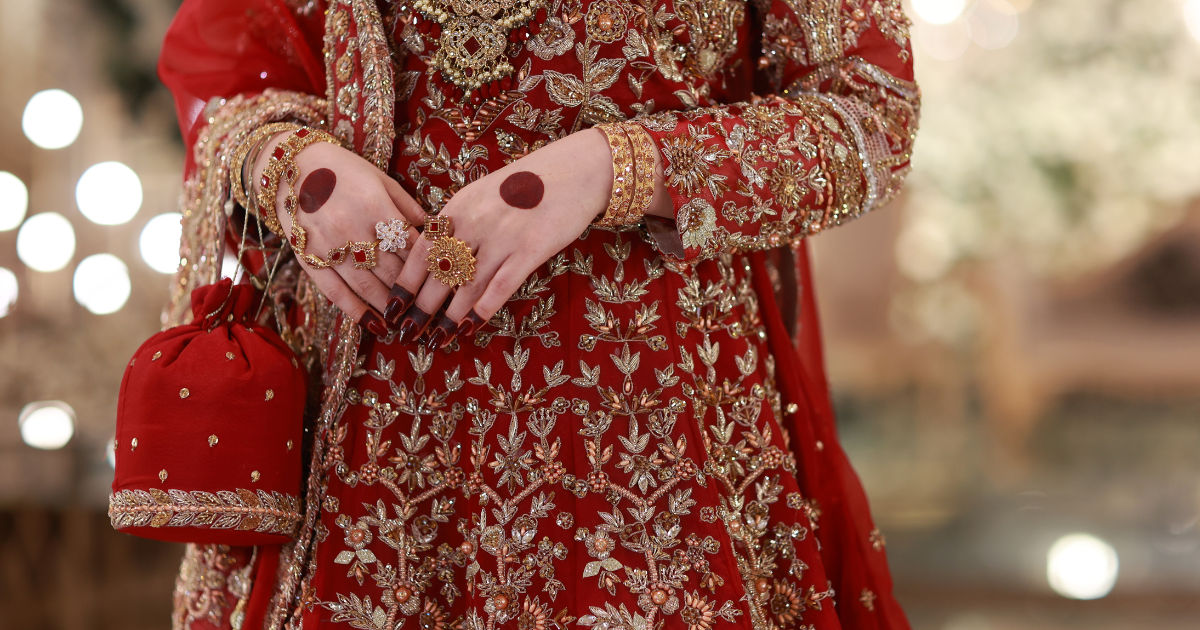
However, in recent years, modern Pakistani fashion has begun to redefine style, blending traditional aesthetics with contemporary trends. From runway shows in Lahore and Karachi to street style in Islamabad, fashion in Pakistan is undergoing a transformation that balances heritage with innovation.
In this shift, designers and fashion enthusiasts often refer to the influence of elders and cultural touchstones, sometimes humorously invoking phrases like “Nani je” when remembering traditional patterns and styles.
This connection between old and new is what makes modern Pakistani fashion so dynamic and relatable.
The Evolution of Pakistani Fashion
Pakistani fashion has a rich history that spans centuries, influenced by Mughal art, Persian patterns, and local textile traditions. Traditionally, garments were handwoven, embroidered, and adorned with intricate designs. Clothing was functional yet artistic, representing regional identities through colors, fabrics, and motifs.
However, globalization and exposure to international trends have influenced Pakistani fashion considerably. Modern designers are experimenting with new fabrics, cutting-edge silhouettes, and contemporary embellishments while still honoring traditional craftsmanship. This fusion of old and new is a hallmark of modern Pakistani style.
Nani je often serves as a source of inspiration for designers who want to preserve traditional aesthetics while appealing to younger audiences. These references help bridge generations, ensuring that fashion remains both innovative and culturally rooted.
Traditional Influences in Modern Fashion
Even as fashion modernizes, traditional elements remain central. Designers often incorporate techniques like hand embroidery, block printing, and mirror work into modern silhouettes. For instance, classic shalwar kameez can now be seen in asymmetrical cuts, layered styles, or paired with jackets that add a contemporary edge.
Accessories have also evolved. Jewelry pieces inspired by traditional designs are being worn with casual modern outfits, creating a unique blend of elegance and everyday wear. Even phrases like “Nani je” are humorously used among fashion bloggers to describe styles that combine grandmotherly elegance with youthful energy.
Contemporary Trends Shaping Modern Pakistani Fashion
1. Fusion Wear
One of the most significant trends is fusion wear. This style merges western garments with traditional Pakistani clothing. Examples include pairing crop tops with traditional skirts, denim jackets over embroidered kurtas, or palazzo pants with long, flowing tunics. Fusion wear allows individuals to embrace global fashion while celebrating local culture.
2. Sustainable Fashion
Sustainability is becoming an important focus in Pakistan’s fashion industry. Designers are now opting for eco-friendly fabrics, organic dyes, and techniques that reduce waste. This shift has not only improved environmental responsibility but has also increased global recognition of Pakistani fashion.
3. Minimalism and Modern Cuts
Modern Pakistani fashion increasingly favors minimalism. Clean lines, subtle colors, and streamlined silhouettes are replacing heavy, layered outfits for everyday wear. Minimalism appeals to young professionals and urban dwellers who want stylish clothing without sacrificing comfort.
4. Celebrity Influence
Celebrities play a significant role in shaping modern fashion trends. From actors to social media influencers, their clothing choices often become aspirational. Designers collaborate with these figures to launch collections that blend contemporary aesthetics with traditional designs, further popularizing modern Pakistani fashion.
Role of Pakistani Designers in Modern Fashion
Pakistani designers are at the forefront of this transformation. Visionaries like Hassan Sheheryar Yasin, Sana Safinaz, and Asim Jofa are redefining fashion with innovative designs that fuse cultural motifs with modern styling. These designers often reference “Nani je” when reimagining traditional patterns for contemporary audiences, blending nostalgia with modern sensibilities.
Many designers also participate in international fashion shows, presenting Pakistani fashion to the world. These platforms allow for the cross-pollination of ideas, where designers can integrate global trends while staying true to local culture.
Street Style and Everyday Fashion
While high-end designers dominate runways, street style reflects how ordinary Pakistanis embrace modern fashion. Young people are experimenting with colors, fabrics, and combinations to create unique looks. Street fashion is characterized by casual chic outfits, sporty clothing, and creative adaptations of traditional garments.
For instance, pairing sneakers with embroidered kurtas or wearing jeans under a long kurti is common in urban centers like Karachi and Lahore. The playful use of accessories, like scarves, jewelry, and bags, adds personality to these outfits. Even older generational wisdom, sometimes jokingly referred to as “Nani je”, influences these choices by inspiring motifs or embroidery styles.
Influence of Social Media
Social media has revolutionized fashion in Pakistan. Platforms like Instagram, TikTok, and Pinterest allow designers, influencers, and everyday users to share ideas, trends, and styles in real-time. Viral trends now influence clothing choices across the country, and fashion is no longer limited to elite designers or boutiques.
This democratization of fashion has allowed modern Pakistani styles to flourish, making it easier for young people to mix traditional elements with contemporary flair. Social media challenges, lookbooks, and styling tutorials are helping people experiment confidently, often with playful nods to “Nani je” when incorporating classic touches.
Modern Fabrics and Textures
Modern Pakistani fashion is experimenting with fabrics and textures like never before. Traditional materials like silk, cotton, and chiffon are being blended with contemporary fabrics such as polyester blends, georgette, and satin. This mix provides comfort, durability, and style versatility.
Textural innovation also allows for more creativity in patterns and layering. Designers can create flowing gowns, structured blazers, or avant-garde fusion wear that still feels distinctly Pakistani.
Bridal and Festive Wear Revolution
Modern Pakistani bridal wear is an exciting space for experimentation. While lehengas, shararas, and ghararas remain staples, modern brides are now opting for lighter fabrics, pastel colors, and minimalistic embroidery. Designers are introducing detachable elements, modern draping styles, and fusion wear to create unique bridal ensembles.
Festive wear is also evolving. Eid and wedding season collections feature shorter kurtas, capes, pant suits, and contemporary cuts while maintaining traditional motifs. References to “Nani je” are sometimes used humorously to describe designs that borrow heavily from vintage family attire but are modernized for current trends.
Gender Fluidity and Fashion
Modern Pakistani fashion is gradually embracing gender fluidity. Men’s fashion is exploring softer fabrics, pastel colors, and more experimental cuts, while women’s fashion includes traditionally masculine elements like structured jackets and trousers. This movement challenges conventional norms and creates a more inclusive fashion space.
Youth-led fashion movements often celebrate individuality over conformity, resulting in diverse, personalized wardrobes. Designers who embrace gender fluidity also encourage mixing styles, allowing creativity and self-expression to flourish.
Regional Influence on Modern Pakistani Fashion
Pakistan’s diverse regions each have unique fashion traditions. Modern designers draw inspiration from these regional identities while adapting them to contemporary tastes. For example:
-
Sindh: Ajrak prints and mirror work incorporated into modern dresses and casual wear.
-
Punjab: Phulkari embroidery reimagined on jackets, trousers, and dresses.
-
Balochistan: Handwoven textiles and tribal patterns used in fusion ensembles.
-
Khyber Pakhtunkhwa: Traditional wool garments and embroidery integrated into modern winter collections.
By blending regional heritage with modern aesthetics, Pakistani fashion honors its roots while staying relevant to global trends.
Fashion Shows and Industry Events
Fashion shows in Pakistan, such as PFDC Sunsilk Fashion Week, Bridal Couture Week, and various boutique exhibitions, have played a crucial role in transforming style. These platforms allow designers to experiment with contemporary designs, showcase fusion wear, and present global influences.
Industry events also provide opportunities for young talent to emerge. Many rising designers bring fresh perspectives, experimenting with minimalism, bold prints, and international styling, often citing classic influences like “Nani je” as inspiration.
Challenges in Modern Pakistani Fashion
Despite its growth, modern Pakistani fashion faces challenges:
-
Economic Constraints: High costs of designer wear limit accessibility for many.
-
Copycat Culture: Mass-produced copies of designer pieces reduce originality.
-
Cultural Sensitivity: Designers must balance innovation with respect for traditional norms.
-
Sustainability Issues: Fast fashion trends can negatively impact the environment.
However, these challenges also inspire innovation. Affordable ready-to-wear collections, eco-friendly fabrics, and digital platforms are helping overcome obstacles while keeping style vibrant.
Future of Modern Pakistani Fashion
The future of Pakistani fashion looks bright. Trends indicate a continuous blend of traditional heritage with global influences. Digital platforms, sustainable initiatives, and rising designer talent will drive innovation.
Personalization and inclusivity are likely to play a significant role, allowing fashion to reflect individual identity rather than adhering strictly to societal norms. With playful nods to traditions like “Nani je”, modern Pakistani fashion will continue to honor the past while embracing a bold, creative future.
Conclusion
Modern Pakistani fashion is a dynamic mix of tradition and innovation. From fusion wear to minimalistic trends, sustainable initiatives to street style experiments, the industry is redefining style in exciting ways. Designers, influencers, and everyday fashion enthusiasts are collaborating to create a unique narrative that bridges generations and cultures.
References to “Nani je” highlight how cultural memory continues to influence modern choices, ensuring that while fashion evolves, it never forgets its roots. As Pakistani fashion grows globally, it will continue to inspire creativity, confidence, and self-expression in ways that are culturally resonant yet entirely contemporary.
Modern Pakistani fashion is more than clothing; it is a living expression of heritage, innovation, and individuality. With every outfit, embroidery, and accessory, the style story of Pakistan continues to evolve, making fashion a beautiful dialogue between past and present.