
Choosing wellness supplements can feel surprisingly complicated. Shelves are filled with vitamins, minerals, herbal products, protein powders, probiotics, and specialized formulas, all promising better health. The smarter approach is not to choose the product with the longest ingredient list. It is to begin with a specific health goal and then determine whether supplementation can genuinely support it.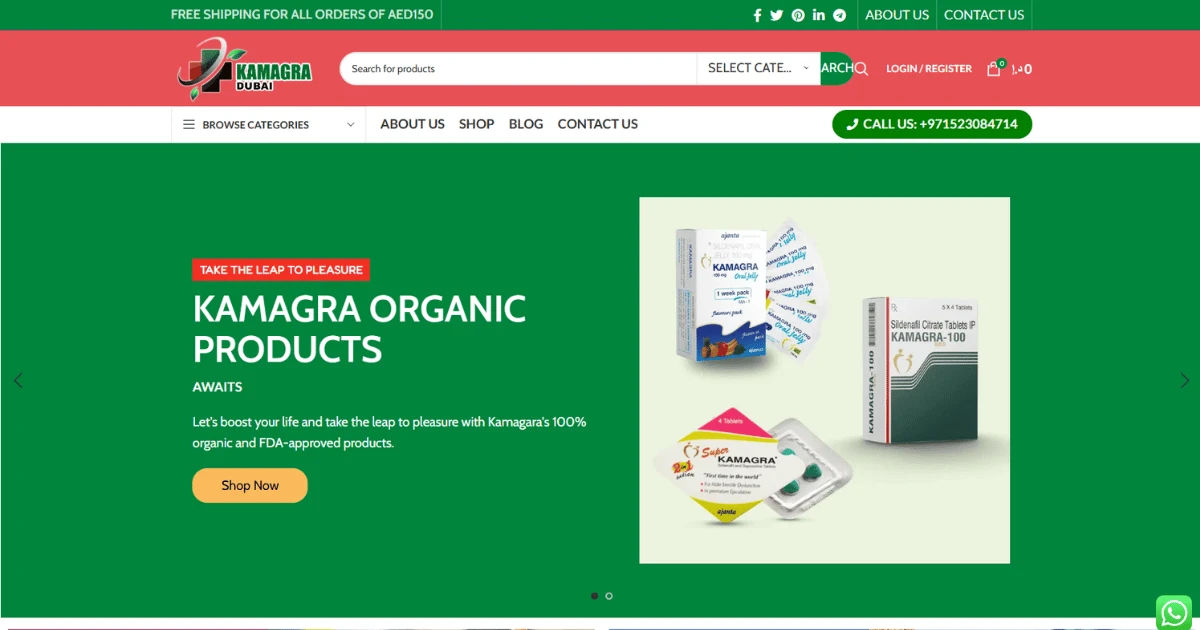
It is also important to separate general wellness products from medicines designed for particular medical conditions. For example, a person searching online for buy viaga in UAE may actually be looking for a medicine for erectile dysfunction rather than a general wellness supplement.
Prescription medicines and dietary supplements have different purposes, safety considerations, and appropriate uses, so they should not be treated as interchangeable.
The best supplement routine is usually simple, targeted, and based on a real need. Before spending money, consider your diet, lifestyle, existing health conditions, medications, and any nutritional deficiencies. A supplement should fill a meaningful gap rather than become another unnecessary item in your daily routine.
Start With a Specific Health Goal
The first step is to identify exactly what you want to improve. “Better health” is too broad to guide a sensible supplement choice.
Your goal might be supporting bone health, improving dietary nutrient intake, supporting normal energy metabolism, maintaining muscle, improving digestive health, or addressing a confirmed nutrient deficiency. Each goal can lead to very different choices.
For example, someone who rarely consumes dairy products may have different nutritional considerations from someone who follows a varied diet containing dairy, vegetables, legumes, whole grains, eggs, fish, and meat.
A useful question is: “What problem am I actually trying to solve?”
If the answer is vague, you may not need a supplement at all.
Difference Between Supplements and Medicines
One of the most important decisions is determining whether your goal involves ordinary nutritional support or treatment for a medical condition.
Supplements generally provide nutrients or other dietary ingredients. They are not substitutes for diagnosis or treatment when a person has a medical problem.
Medicines, on the other hand, are intended to prevent, diagnose, treat, or manage specific conditions. They may have stronger effects and more significant interactions with other medicines.
This distinction matters when researching products online. A search such as buy viaga in UAE can lead people toward prescription medicine information, while searches for multivitamins or magnesium generally concern nutritional products. The two categories should be approached differently.
If you have symptoms that concern you, it is better to identify the underlying cause than to cover the symptoms with a supplement.
Match the Supplement to the Goal
Once you know your goal, examine which nutrients are actually relevant.
For general nutritional support, a balanced diet remains the foundation. Supplements may be useful when dietary intake is inadequate or when a healthcare professional identifies a specific requirement.
Supporting Bone Health
Bone health depends on several factors, including adequate calcium, vitamin D, protein, physical activity, and overall nutrition.
A person who gets sufficient calcium and vitamin D through diet and appropriate sun exposure may not benefit from taking large doses automatically.
Strength training and weight-bearing exercise are also important. A supplement cannot replace those habits.
Supporting Muscle and Physical Performance
People who exercise regularly often focus on protein and certain performance-oriented supplements.
Protein powders can be convenient when someone struggles to obtain enough protein from food. They are essentially a convenient source of protein rather than a replacement for nutritious meals.
Creatine is another well-studied supplement used by many adults for strength and high-intensity exercise. However, people with medical conditions or those taking medications should discuss supplementation with an appropriate healthcare professional before starting it.
Supporting Digestive Health
Digestive wellness products may include probiotics, fiber supplements, or other ingredients.
However, not every probiotic works for every digestive concern. Different strains can have different effects, and product quality varies.
Fiber deserves particular attention because many people do not consume enough from food. Beans, lentils, vegetables, fruits, whole grains, nuts, and seeds are excellent sources.
If you increase supplemental fiber, do it gradually and drink enough fluid.
Supporting Nutritional Gaps
A supplement can make sense when your diet consistently lacks a particular nutrient.
For example, people with restrictive diets may need to pay closer attention to certain vitamins and minerals. However, the appropriate supplement depends on the individual diet and circumstances.
Taking a large number of nutrients “just in case” is not automatically better.
Review Your Diet Before Buying Anything
Your normal eating pattern provides valuable information.
Keep a simple food record for several days. You do not need to measure every calorie. Instead, look at whether you regularly eat vegetables, fruit, whole grains, legumes, protein-rich foods, healthy fats, and other nutrient-dense foods.
You may discover that your perceived deficiency is actually a dietary pattern issue.
For example, someone who rarely eats fruits and vegetables may benefit more from improving meals than from purchasing an expensive “greens” powder.
Supplements work best as supporting tools, not as shortcuts around poor nutrition.
Consider Your Age and Lifestyle
Nutritional needs can change throughout life.
Young adults may focus on establishing strong dietary habits and maintaining adequate intake of essential nutrients. Adults with demanding work schedules may struggle with consistent meals. Older adults may have different nutritional considerations because of changes in appetite, digestion, medication use, or nutrient absorption.
Lifestyle also matters.
Someone who exercises heavily has different nutritional priorities from someone who is mostly sedentary. Similarly, a person following a vegetarian or vegan diet may need to pay attention to nutrients that are commonly obtained from animal foods.
The goal is personalization, not simply taking whatever supplement is currently popular.
Check for Possible Deficiencies
When a deficiency is suspected, testing can sometimes provide useful information.
Do not assume that fatigue, poor concentration, hair changes, muscle discomfort, or other symptoms automatically mean you need a particular vitamin.
These symptoms can have many possible causes.
A healthcare professional can determine whether testing is appropriate and help interpret the results. If a deficiency is confirmed, supplementation can then be more precise.
This approach is usually better than buying several products and hoping one eventually solves the problem.
Look at the Ingredient and Dosage
Never choose a supplement solely because of its marketing claims.
Read the Supplement Facts or nutrition label carefully. Look at the actual ingredients and amounts provided per serving.
A product containing ten ingredients is not necessarily better than a product containing one.
Pay particular attention to unusually high doses. More is not always better with vitamins and minerals. Some nutrients can cause problems when consumed in excessive amounts, especially over long periods.
Also check whether you are taking the same nutrient from multiple products.
For example, a multivitamin, fortified drink, and individual vitamin supplement may collectively provide much more of a nutrient than you intended.
Consider Product Quality
Supplement quality matters because labels do not tell the entire story.
Look for products from established manufacturers that provide clear ingredient information and appropriate quality-control practices.
Third-party testing can provide additional reassurance because independent organizations may evaluate products for identity, purity, strength, or contaminants.
Be skeptical of products that promise dramatic results.
Claims such as instant detoxification, guaranteed weight loss, miraculous hormone balancing, or disease cures should raise questions.
A responsible supplement company should not need exaggerated promises to sell its product.
Be Careful With Herbal Supplements
“Natural” does not automatically mean “risk-free.”
Herbal products can contain biologically active compounds. Some may interact with prescription medicines, affect blood pressure, influence blood clotting, or cause other unwanted effects.
The same principle applies to products marketed for sexual performance.
Someone searching for buy viaga in UAE should not assume that an herbal sexual-enhancement product is equivalent to an approved medicine. Products sold online can vary considerably in quality and ingredients.
If sexual health is the concern, speak with a qualified healthcare professional rather than relying on an unverified supplement.
Check Supplement and Medication Interactions
Interactions are one of the biggest reasons to review supplements carefully.
A supplement can change how a medicine works or increase the likelihood of side effects. The risk may be higher when someone takes several medicines simultaneously.
This is particularly important for people using medicines for blood pressure, diabetes, heart conditions, blood clotting, seizures, or other chronic conditions.
Even if a product is sold without a prescription, it does not mean that it is appropriate for everyone.
Before adding a new supplement, provide your healthcare professional or pharmacist with a complete list of everything you take, including vitamins, herbal products, powders, and other supplements.
Avoid Buying Based on Social Media Trends
Social media can make supplements look more powerful than they really are.
Influencers may describe dramatic personal experiences, but an individual story is not the same as reliable evidence.
A product that appears repeatedly in videos may simply have a strong marketing strategy.
Instead, look for evidence from reputable medical organizations, professional guidelines, and well-designed research.
Ask whether the ingredient has been studied for your specific goal, not simply whether someone online says it worked for them.
Think About the Dose and Duration
Even an appropriate supplement needs to be used appropriately.
Some supplements are intended to correct a temporary deficiency. Others may be used for longer periods under professional guidance.
Avoid assuming that taking a higher dose will produce faster results.
The correct amount depends on the nutrient, product formulation, age, diet, health status, and individual needs.
Follow the product instructions unless your healthcare professional gives you different advice.
If you have been taking a supplement for months without knowing why you still need it, reassess the situation.
Consider Cost and Convenience
A supplement should be affordable enough that it does not create unnecessary financial pressure.
Expensive products are not automatically superior.
Compare the amount of the active ingredient, serving size, number of servings, and quality information rather than judging a product by its package design.
Convenience also affects consistency.
If a supplement requires complicated timing and multiple daily doses, you may eventually stop taking it. A simple routine that fits naturally into your day is often easier to maintain.
Know When Professional Advice Is Necessary
There are situations where professional guidance is especially important.
Speak with a healthcare professional before starting supplements if you are pregnant or breastfeeding, have a chronic medical condition, take prescription medicines, have a known nutrient deficiency, have unexplained symptoms, or are considering high-dose supplementation.
Children and teenagers also require special consideration because their nutritional needs differ from those of adults.
Similarly, older adults taking several medicines should be particularly cautious about interactions.
If your health goal involves persistent symptoms rather than general wellness, investigate the symptoms rather than simply adding supplements.
Create a Simple Supplement Routine
After choosing an appropriate product, make the routine practical.
Start with only what you genuinely need. Adding five products simultaneously makes it difficult to determine which one is helping, which one is causing side effects, and whether any are unnecessary.
Keep a record of what you take and why.
Pay attention to how you feel, but do not expect immediate dramatic changes from ordinary nutritional supplements.
If you experience unexpected symptoms after starting a product, stop and seek appropriate advice, particularly if the symptoms are significant.
Review your supplement routine periodically rather than allowing it to grow indefinitely.
Be Careful With Online Purchases
Online shopping makes supplements and medicines easy to find, but it also creates risks.
Check the seller, packaging, ingredient information, expiration date, and regulatory information where applicable.
Avoid products that have unclear ingredients or make unusually dramatic medical claims.
The same caution applies to searches such as buy viaga in UAE. When a product is actually a medicine, especially one intended to treat erectile dysfunction, verify its legal status and obtain it through a legitimate healthcare and pharmacy pathway.
Do not purchase prescription medicines simply because an unfamiliar website promises convenience or unusually low prices.
Build Your Health Strategy Around More Than Supplements
Supplements should sit within a larger health routine.
Regular physical activity, adequate sleep, nutritious meals, hydration, stress management, and preventive healthcare usually have a much larger influence on long-term wellness than any single supplement.
If your diet is poor and your sleep schedule is chaotic, taking several capsules will not compensate for those problems.
Think of supplements as optional support when there is a clear reason for using them.
This mindset also helps prevent unnecessary spending and reduces the temptation to chase every new health trend.
Conclusion
Choosing wellness supplements for health goals starts with a simple principle: identify the need before choosing the product. A supplement should have a clear purpose, an appropriate dose, reasonable evidence behind it, and a place within your overall health routine.
Start by defining your goal. Review your diet and lifestyle. Consider whether a nutritional gap or confirmed deficiency actually exists. Check ingredients, dosage, product quality, possible interactions, and total intake from all sources.
Most importantly, recognize the difference between nutritional supplements and medicines. A search such as buy viaga in UAE may relate to a prescription treatment rather than a wellness supplement, so it should be handled through appropriate medical and pharmacy channels rather than treated as an ordinary nutritional purchase.
The best supplement routine is rarely the biggest one. It is the one that makes sense for your individual circumstances and supports sensible health habits. When you combine targeted supplementation with nutritious food, regular movement, adequate sleep, and appropriate professional care, you create a much stronger foundation for long-term wellness.