
Thumbnails are the first thing that grabs attention when browsing online content. They are small, visual representations of videos, images, or articles that provide a glimpse of what to expect.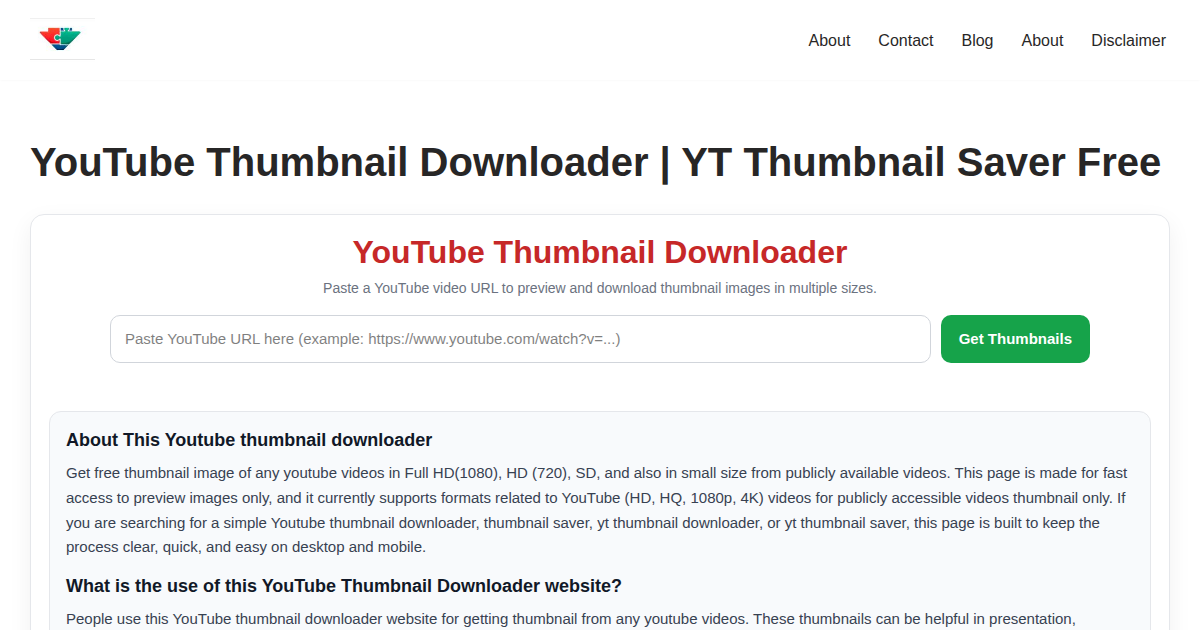
Often, people want to save these thumbnails for reference, inspiration, or use in projects. That’s where the Thumbnail Save Image Grabber comes in handy.
This guide will explain everything you need to know about Thumbnail Save, how to use grabbers effectively, and why this tool has become popular in today’s digital world.
What is a Thumbnail?
A thumbnail is a miniature version of a larger image or video. Think of it as a cover page or preview. On platforms like YouTube, Instagram, or blogs, thumbnails act as a visual invitation to click and explore content.
Thumbnails are often designed carefully to attract viewers. They can contain bright colors, expressive faces, or text overlays. Because they play such a crucial role in content marketing, saving them can be useful for several purposes such as creating mood boards, tutorials, or research references.
Why Use a Thumbnail Save Image Grabber?
There are multiple reasons why someone might want to use a Thumbnail Save Image Grabber:
-
Research Purposes: Designers and marketers often need examples of thumbnails to study trends or create new designs.
-
Content Inspiration: Bloggers and video creators may save thumbnails to brainstorm ideas for their own content.
-
Offline Access: Sometimes, thumbnails need to be viewed without internet access. Saving them ensures you always have a reference.
-
Archiving: Saving thumbnails helps you maintain a personal collection of content or track changes in your own published materials.
A Thumbnail Save Image Grabber simplifies this process by allowing you to quickly capture and save thumbnails from websites or videos without manually screenshotting.
How Does a Thumbnail Save Image Grabber Work?
Thumbnail grabbers work by scanning the source of an online video or image and extracting the small preview image.
Here’s a simplified breakdown of the process:
-
URL Detection: The grabber identifies the link of the content whose thumbnail you want.
-
Source Extraction: It locates the thumbnail within the website’s HTML or video metadata.
-
Preview Display: The tool shows the available thumbnails for that particular content.
-
Download Option: You can save the thumbnail directly to your device with a single click.
The beauty of Thumbnail Save tools is that they save time and maintain the quality of the original thumbnail. Unlike screenshots, which can lose resolution, grabbers often download the exact image file.
Types of Thumbnail Save Image Grabbers
There are several types of thumbnail grabbers available, each suited for different platforms and purposes.
1. Online Thumbnail Grabbers
These are websites that allow you to paste a video or image URL and download the thumbnail instantly.
Pros:
-
No installation needed.
-
Works on any device with a browser.
-
Quick and user-friendly.
Cons:
-
Dependence on internet connection.
-
May have limited features in free versions.
2. Browser Extensions
Some tools come as browser add-ons. Once installed, you can grab thumbnails directly from the website without leaving the page.
Pros:
-
Fast and convenient.
-
Can grab multiple thumbnails at once.
-
Integrated into your browsing experience.
Cons:
-
Takes up browser memory.
-
Updates may be required frequently.
3. Software Applications
Standalone software allows you to manage and save thumbnails in bulk. These are more advanced and often used by professionals.
Pros:
-
Offers batch download options.
-
Can convert thumbnails to different formats.
-
Higher quality images.
Cons:
-
Requires installation.
-
May cost money for full features.
Popular Platforms Where Thumbnail Save is Useful
Thumbnail grabbing can be particularly useful on these platforms:
YouTube
YouTube videos always have thumbnails. Creators often use custom thumbnails to increase clicks. A Thumbnail Save Image Grabber can extract these images in high resolution.
Instagram posts and reels generate thumbnails that can be useful for social media analysis or inspiration. Tools for saving thumbnails here help content creators track trends.
TikTok
TikTok videos generate preview thumbnails for sharing purposes. Saving these can help you organize trending content or create compilation videos.
Websites and Blogs
Blogs often include featured images or article previews as thumbnails. Saving these can help with research, content planning, or reference libraries.
Step-by-Step Guide to Using a Thumbnail Save Image Grabber
Here’s a detailed guide to using Thumbnail Save tools effectively:
Step 1: Find the URL
First, find the URL of the video, image, or webpage from which you want to save a thumbnail. Copy the link carefully to avoid errors.
Step 2: Open the Thumbnail Grabber Tool
Go to your preferred online tool, browser extension, or software. Many online options are free and simple to use.
Step 3: Paste the URL
Paste the copied link into the tool’s input field. Most tools will automatically detect the content type and fetch thumbnails.
Step 4: Preview Available Thumbnails
The tool will display available thumbnail options. Some platforms provide multiple resolutions; choose the one that fits your need.
Step 5: Download the Thumbnail
Click on the download button to save the thumbnail to your device. You can often select the file format (e.g., JPG, PNG).
Step 6: Organize Your Thumbnails
After downloading, organize your saved thumbnails in folders based on categories, sources, or projects. This step ensures you can easily retrieve them when needed.
Best Practices for Using Thumbnail Save Tools
To make the most out of a Thumbnail Save Image Grabber, consider these tips:
-
Check Permissions: Make sure you have the right to use the thumbnail. Many thumbnails are copyrighted, and using them commercially may require permission.
-
Use High-Resolution Options: Always choose the highest resolution available for better quality.
-
Organize by Project: Create folders based on projects, platforms, or topics for easier access.
-
Stay Updated: Keep your tools updated to avoid compatibility issues with platforms that frequently change their design.
-
Use Descriptive Names: Name your files with clear labels, so you don’t lose track of multiple thumbnails.
Advantages of Using Thumbnail Save Image Grabbers
Using a Thumbnail Save tool offers several advantages:
-
Time-Saving: No need to manually screenshot or search for images.
-
High Quality: Maintains the original resolution of thumbnails.
-
Convenience: Quickly saves thumbnails from multiple platforms.
-
Organized Workflow: Simplifies content research and inspiration gathering.
Limitations and Risks
Despite their usefulness, these tools have some limitations:
-
Copyright Issues: Many thumbnails are protected by copyright. Using them without permission may lead to legal issues.
-
Platform Restrictions: Some websites block thumbnail extraction, making the tool less effective.
-
Malware Risks: Only use trusted grabbers to avoid malware or adware.
-
Internet Dependence: Online grabbers require a stable internet connection.
Tips for Maximizing Efficiency
To get the best results with Thumbnail Save Image Grabbers, follow these tips:
-
Use dedicated folders for each project.
-
Combine grabbers with other research tools to streamline workflow.
-
Regularly back up your downloaded thumbnails to prevent loss.
-
Explore batch downloading features in advanced software tools for saving time.
Ethical Considerations
While Thumbnail Save tools are extremely useful, ethical considerations matter:
-
Respect Copyright: Only use thumbnails for personal use, research, or inspiration unless you have permission.
-
Give Credit: If you use thumbnails in public projects, credit the original creator when necessary.
-
Avoid Misuse: Do not misrepresent content by using thumbnails misleadingly.
Conclusion
The Thumbnail Save Image Grabber is a powerful tool for anyone who deals with online content. From students and bloggers to marketers and designers, the ability to quickly save and organize thumbnails simplifies research and content creation. By understanding how these tools work, their benefits, limitations, and ethical use, you can harness their full potential while staying responsible.
Whether you want to collect thumbnails for inspiration, maintain an offline reference library, or analyze trends, a reliable Thumbnail Save tool is essential in today’s digital age. Remember to choose high-quality images, organize them effectively, and respect copyright rules. With these strategies, you’ll not only save time but also enhance your content workflow.
In a world where visuals matter more than ever, having a Thumbnail Save Image Grabber in your toolkit ensures that no inspiration or reference is ever lost.